
Views: 0 Author: Site Editor Publish Time: 2026-07-27 Origin: Site


Modern original equipment manufacturing relies heavily on high-precision, repeatable part production. Even minor deviations in cut quality compound into major assembly failures down the line. Engineering and procurement teams constantly face a difficult dilemma. They must balance the high capital expenditure and maintenance burden of in-house laser machines against the quality control and supply chain risks of outsourcing.
Transitioning to an outsourced Laser Cutting Service offers a strategic operational expenditure solution. This approach works exceptionally well provided the buyer knows how to rigorously evaluate a partner. You must assess their technical capabilities, material expertise, and quality management systems. This guide walks you through the evaluation metrics needed to secure a reliable manufacturing partner.
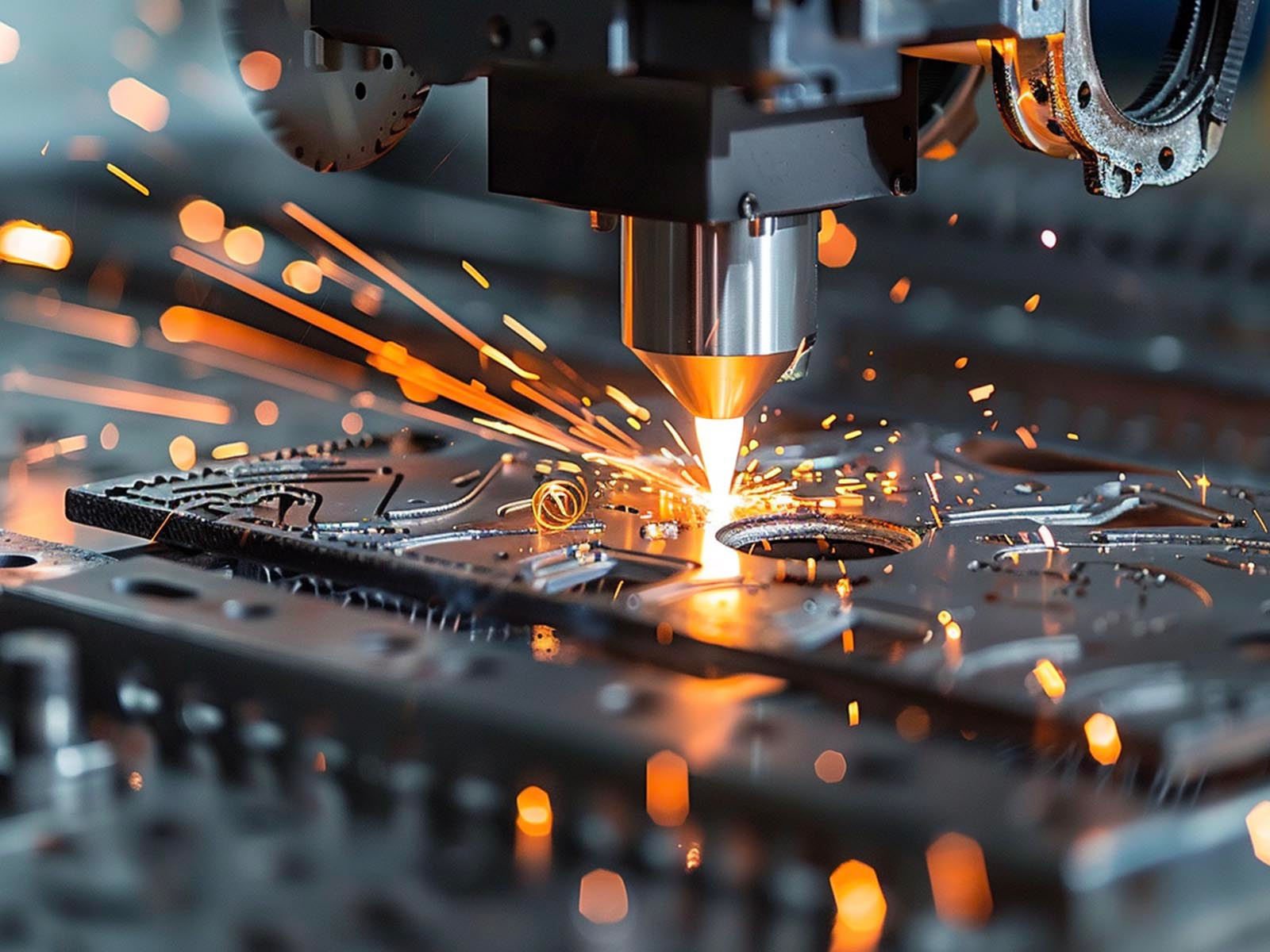
CapEx vs. OpEx: Utilizing a laser cutting service shifts the burden of machine depreciation, maintenance, and specialized operator training from the OEM to the vendor.
Technology Matching: Not all services are equal; evaluating a partner requires matching their specific laser technology (Fiber vs. CO2), machine power (wattage), and bed sizes to the OEM's material types and thickness requirements.
Hidden Cost Drivers: True cost evaluation extends beyond the hourly rate to include nesting efficiency, kerf management, assist gas choices, and secondary finishing requirements.
Risk Mitigation: The most critical evaluation metrics for a service provider are their handling of the Heat-Affected Zone (HAZ), verifiable ISO/AS quality certifications, and scalable lead-time reliability.
Table of Contents
An industrial laser cutting service provides contract manufacturing of 2D and 3D profiles using CNC-guided lasers. This differs vastly from consumer-grade job shops. Industrial providers utilize heavy-duty equipment designed for continuous production cycles. They handle large volumes of sheet metal, plate steel, and engineered polymers. These facilities focus on strict dimensional tolerances, material traceability, and repeatable output for large-scale assembly lines.
Purchasing industrial laser cutters involves massive upfront costs. You must account for facility upgrades, high-pressure gas supply lines, and ongoing optics maintenance. Contracting a service eliminates these direct burdens. You shift the financial model from capital expenditure to operational expenditure, freeing up cash flow for core engineering tasks.
Outsourcing also mitigates the risk of idle machinery. Production lulls make expensive in-house equipment a financial drain. A dedicated vendor absorbs this capacity fluctuation. They spread machine utilization across multiple clients to maintain efficiency. You only pay for the machine time your parts actually consume.
A specialized service provider offers incredible scale and flexibility. They grant access to a diverse fleet of multi-axis, high-kilowatt machines. Building this level of infrastructure internally would be cost-prohibitive for most manufacturers. You gain the ability to pivot between different materials and thicknesses instantly without retooling your own shop floor.
Fiber lasers dominate modern metal fabrication. They deliver exceptional operational advantages for processing ferrous and non-ferrous metals. This includes carbon steel, stainless steel, aluminum, brass, and copper. The solid-state design channels the beam through fiber optic cables, resulting in a highly concentrated energy source that slices through metal rapidly.
These machines offer high-speed processing capabilities for thin-to-medium gauge sheet metal. They cut significantly faster than older technologies while maintaining a lower energy consumption profile. This efficiency makes them the standard for high-volume metal part production where cycle times dictate project viability.
CO2 lasers remain necessary for specific applications. They excel at processing thicker organic materials, plastics, polymers, and composites. They are also highly effective for specific thick-plate steel applications where edge quality is paramount and fiber lasers might leave excessive striations.
The longer wavelength of a CO2 laser provides superior edge quality on non-metals compared to fiber lasers. Acrylics cut with a CO2 laser often feature a polished edge straight off the machine. This eliminates the need for secondary flame polishing, saving time on the assembly floor.
High-peak-power lasers like Nd:YAG and Nd:YVO handle specialized micro-cutting. They produce incredibly fine feature details. These systems are typically reserved for specific medical or aerospace applications requiring microscopic precision, such as cutting stents or intricate sensor housings.
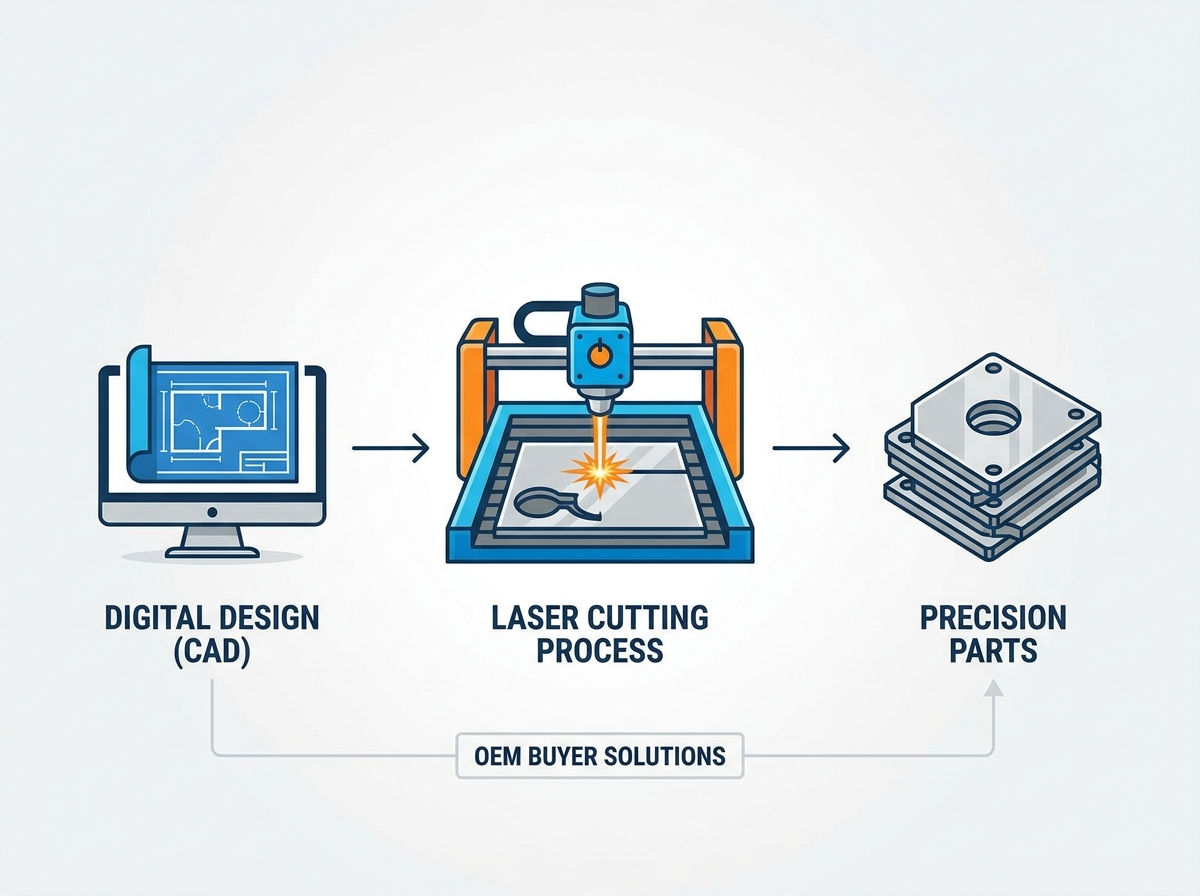
Machine wattage dictates cutting speed, maximum pierce thickness, and edge smoothness. Industrial systems range from 2kW up to 15kW and beyond. Higher wattage allows the beam to pierce thick plate steel rapidly without excessive heat buildup, preventing part distortion during the initial plunge.
Machine bed sizes are equally critical. Standard sizes include 5' x 10' and 8' x 24'. Bed capacity limits affect raw sheet optimization. Larger beds allow for better nesting efficiency and dictate the maximum dimensions of a single continuous part. You must match your part dimensions to the vendor's available machine envelope.
Feature | Fiber Lasers | CO2 Lasers |
|---|---|---|
Optimal Materials | Steel, Aluminum, Brass, Copper | Plastics, Wood, Thick Steel, Composites |
Cutting Speed (Thin Metal) | Extremely Fast | Moderate |
Energy Efficiency | High | Low to Moderate |
Maintenance Needs | Low (Solid-state) | Higher (Mirrors, gases) |
Cutting reflective metals like aluminum, brass, and copper used to damage laser optics. Modern fiber lasers overcome historical back-reflection issues. They process these highly reflective alloys efficiently and safely. You can now design complex copper busbars or aluminum brackets with confidence, knowing the vendor can execute the cuts without equipment failure.
You must identify which materials are safe and effective to cut. Acrylic and POM (Delrin) cut cleanly with excellent edge quality. However, PVC and polycarbonate present severe issues. PVC produces toxic, corrosive chlorine gas when lasered, which destroys machine components. Polycarbonate absorbs the laser energy poorly, resulting in a melted, discolored edge that fails visual inspection.
An inverse relationship exists between material thickness, cutting speed, and dimensional accuracy. As material gets thicker, the laser beam diverges slightly, creating a tapered edge. Standard industrial tolerances typically hover around ±0.005 inches for sheet metal. You must account for this kerf taper when designing interlocking tabs or press-fit holes.
When your design requires tighter tolerances, secondary machining becomes necessary. You must plan for CNC milling or reaming on critical hole diameters in thick plates. Do not expect a laser to hold a bearing-fit tolerance on one-inch steel plate.
Assist gases blow molten material out of the kerf. Oxygen creates an exothermic reaction, speeding up the cut on carbon steel. However, it leaves an oxidized edge that requires mechanical removal before painting. Nitrogen acts as a shielding gas. It cools the cut and prevents oxidation, leaving a clean, weld-ready surface straight off the machine bed.
High-pressure air is a cost-effective alternative for certain materials, though it may leave a slight burr. Your assist gas selection directly influences surface oxidation, weldability, and the need for downstream edge cleaning. Always specify your downstream finishing requirements so the vendor selects the correct gas.
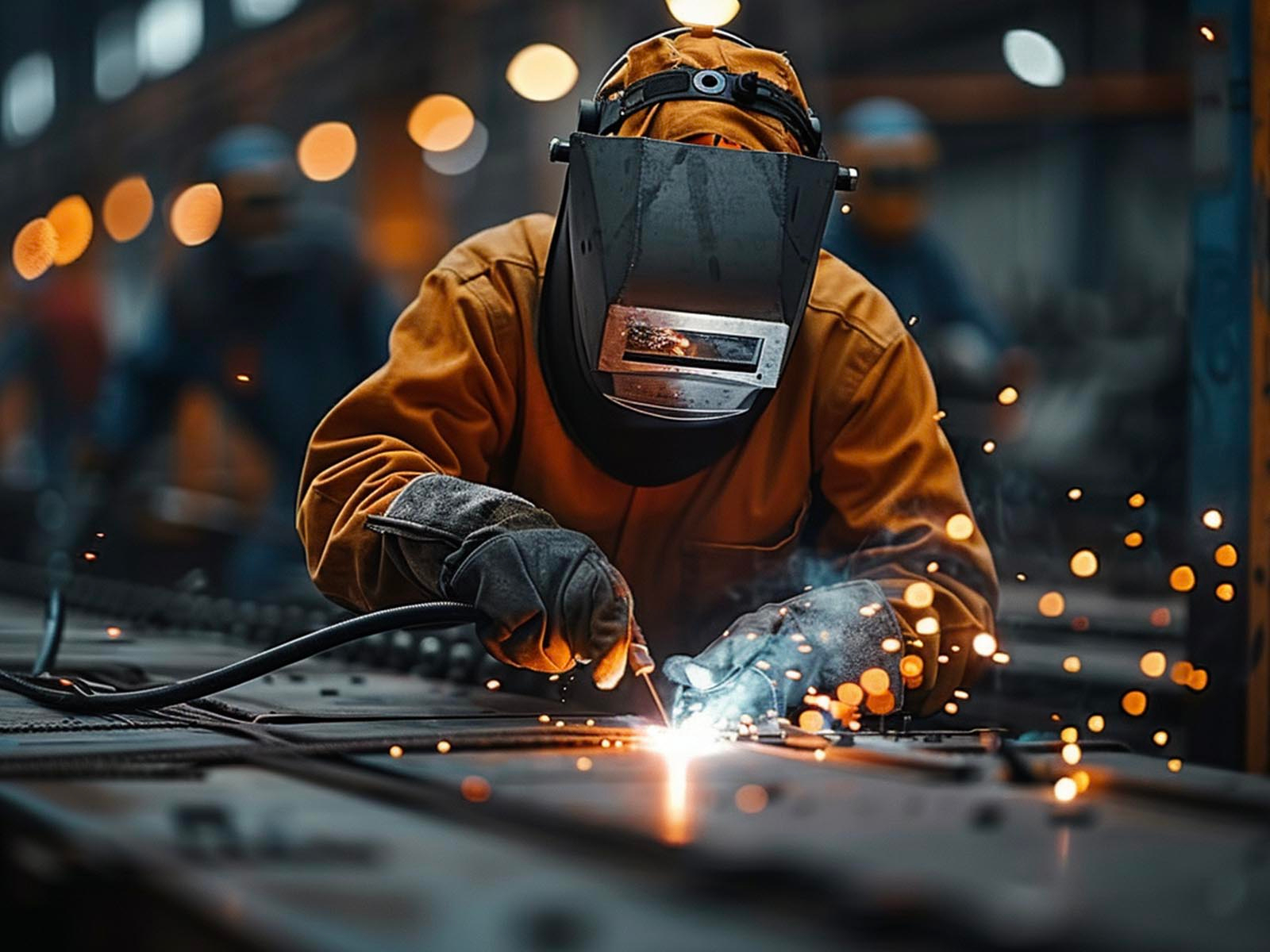
Always request sample parts before committing to high-volume production. Inspect these samples for dross on the bottom edge. Look for excessive striation marks or heat deformation near tight corners. Verify that the kerf width remains consistent across complex geometries. A quality vendor will dial in their focal length and gas pressure to minimize these defects.
Assess a vendor's machine redundancy and shift scheduling. A single machine breakdown should not halt your supply chain. Evaluate their use of automated material handling. Tower loading and unloading systems enable continuous manufacturing. This minimizes lead-time volatility and ensures reliable delivery schedules even during peak demand periods.
Check if the service provider can perform integrated laser etching. Marking or engraving during the cutting process adds significant value. It allows for automated part serialization, QR codes, and assembly tracking without adding a secondary operation. This feature is highly beneficial for aerospace and medical components requiring strict lot traceability.
Verifiable Quality Management Systems are non-negotiable. Look for ISO 9001:2015 as a baseline. If you operate in specialized fields, demand AS9100 for aerospace or ISO 13485 for medical devices. These certifications prove the vendor follows documented, repeatable processes.
First Article Inspection reports ensure initial parts meet all print specifications before full production runs. Material Test Reports provide traceability back to the original steel mill. These documents are critical for liability and compliance, especially in structural applications.
Choosing a service that offers secondary operations reduces supply chain fragmentation. Look for vendors providing CNC press brake forming, robotic welding, powder coating, and hardware insertion. Consolidating these steps under one roof reduces shipping delays, lowers freight costs, and streamlines quality control accountability.
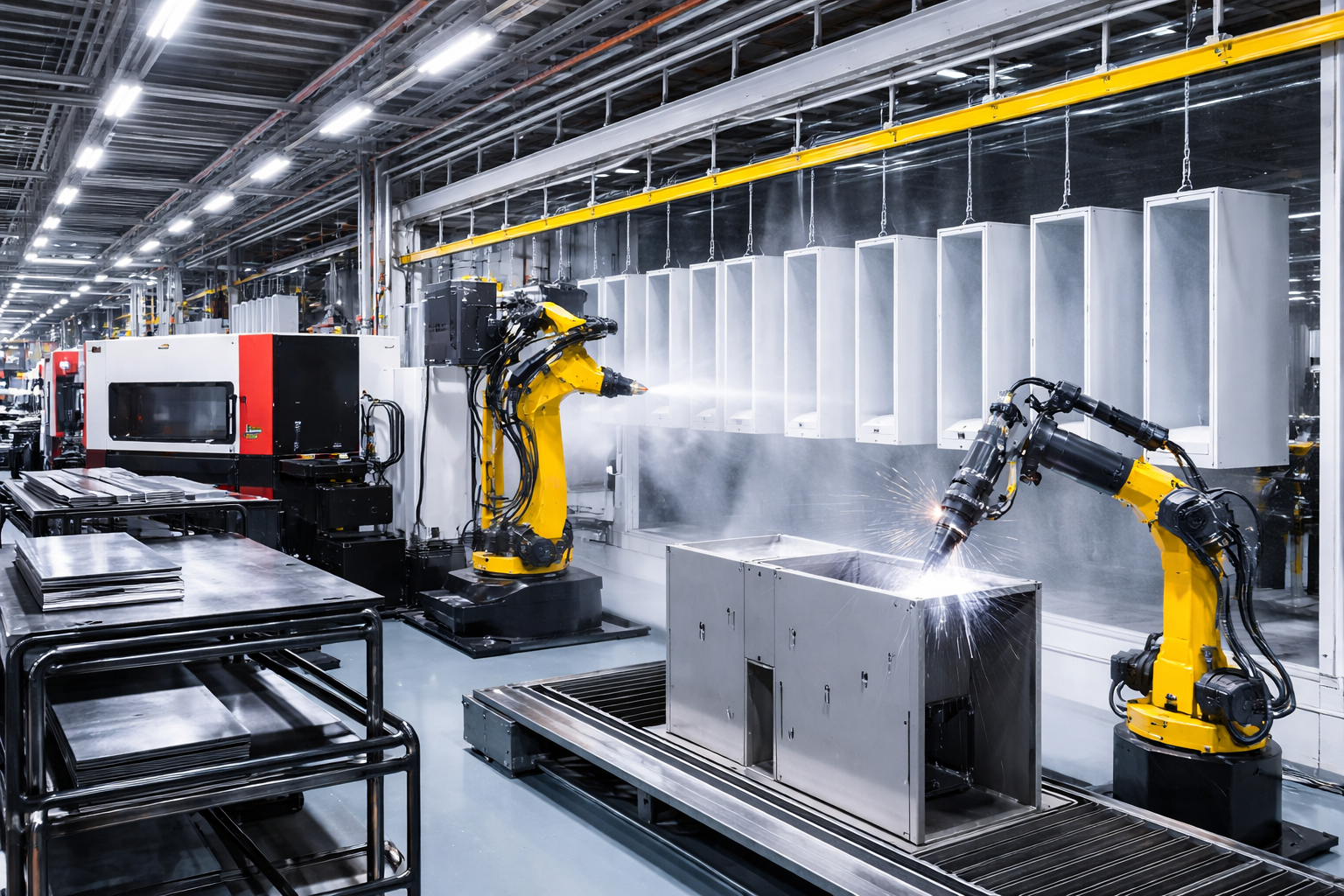
Service providers structure quotes based on several operational phases. CAD/CAM programming and machine setup carry fixed initial costs. Actual beam-on time dictates the variable run cost. Highly complex geometries with hundreds of internal cutouts take longer to process, increasing the run time portion of the quote. Simplifying your flat patterns directly reduces these run times.
Advanced nesting software tightly packs flat patterns onto a raw sheet. This reduces scrap rates significantly. Ensure your vendor utilizes modern nesting algorithms. High material yield means you do not overpay for wasted material. Ask the vendor for their average sheet utilization percentage during the quoting phase.
Assist gas usage heavily impacts per-part costs. Clean-cutting stainless steel or aluminum requires high volumes of high-pressure Nitrogen. This process consumes more expensive gas compared to Oxygen-assisted carbon steel cuts. The choice of gas balances edge quality against operational expenses. You must decide if a clean edge is worth the higher gas consumption rate.
Manufacturers can negotiate favorable terms through blanket purchase orders. Scheduled releases allow the vendor to optimize their material purchasing and machine scheduling. Long-term capacity reservations provide stability for both the buyer and the cutting service. This approach guarantees machine time during busy seasons while locking in material rates.
Laser cutting induces metallurgical changes at the cut edge. This Heat-Affected Zone can harden the material, making secondary tapping or machining difficult. To mitigate HAZ, specify Nitrogen for oxide-free edges. For fatigue-critical parts, plan for secondary edge-machining to remove the hardened layer entirely before the part goes into service.
Vendor lock-in and material shortages pose significant risks. Implement dual-sourcing strategies to maintain leverage and ensure continuity. Require your primary vendors to hold safety stock of critical raw materials to buffer against market fluctuations. Regular audits of their raw material inventory will verify they are meeting these obligations.
Sharing proprietary CAD files with a contract manufacturer requires strict security protocols. Execute comprehensive Non-Disclosure Agreements. Ensure the vendor uses secure data environments. If applicable, verify their ITAR compliance before transmitting sensitive defense-related drawings. A breach of your flat pattern data can lead to counterfeit parts entering the market.
Choosing the right Laser Cutting Service partner is essential for achieving precision, production efficiency, and long-term manufacturing reliability. By evaluating laser technology, quality management, engineering expertise, and production capacity, manufacturers can reduce costs, improve product consistency, and streamline their entire fabrication process.
DINGPRECISION specializes in precision sheet metal fabrication, laser cutting, CNC bending, welding, and custom metal manufacturing services for customers worldwide. With advanced laser cutting equipment, experienced engineering teams, and strict quality control systems, the company delivers high-precision fabrication solutions that meet the demanding requirements of industries such as automation, electronics, medical equipment, and industrial machinery.
Before selecting a laser cutting service provider, consider the following:
Match the laser technology to your material and thickness requirements.
Verify the supplier's quality inspection and certification system.
Evaluate production capacity, lead times, and secondary processing capabilities.
Work with an experienced fabrication partner that provides complete engineering support and integrated manufacturing solutions.
A: Standard commercial tolerances for sheet metal typically range from ±0.005 to ±0.010 inches. Precision tolerances depend heavily on material thickness and the specific laser technology used. Thicker plates generally require looser tolerances due to beam divergence and kerf taper.
A: Use a fiber laser for thin-to-medium gauge metals like steel, aluminum, and brass due to its high speed and precision. Choose a CO2 laser if you are cutting thick plate steel, plastics, wood, or composites, as it provides superior edge quality on non-metals.
A: The HAZ is the area of material along the cut edge that experiences metallurgical changes due to the laser's intense heat. This zone can become localized hardened, which may impact downstream weldability, tapping operations, and the overall fatigue life of the part.
A: Most services require standard vector formats for quoting and programming. DXF and DWG files are the industry standard for 2D flat patterns. STEP or IGES files are often requested for 3D models to verify bends, hardware locations, and overall part geometry.
A: It depends on the material and assist gas. Nitrogen cuts on stainless steel usually leave a clean, burr-free edge. Oxygen cuts on thick carbon steel may leave dross or an oxide layer. In those cases, secondary deburring, tumbling, or edge rounding is necessary.
A: Assist gas dictates edge quality and downstream processing. Nitrogen produces an oxide-free edge ideal for immediate welding or powder coating. Oxygen leaves an oxide scale on steel that must be mechanically removed before paint or powder coat will adhere properly.


