
Views: 0 Author: Site Editor Publish Time: 2026-09-30 Origin: Site


Partnering with an underperforming manufacturer creates a cascading series of failures on the assembly line. Rework piles up, production stalls, and product integrity suffers. Differentiating between a transactional job shop and a strategic manufacturing partner capable of scaling with complex product lifecycles remains a significant challenge for procurement teams. You need a systematic, evidence-based framework to audit a Sheet Metal Fabrication Supplier across technical capabilities, quality management systems, and operational logistics. This guide provides the exact criteria required to evaluate and secure a reliable manufacturing partner. We will explore how to match your project scope with facility capabilities, verify essential quality certifications, and mitigate implementation risks during the transition phase.
Aligning supplier capabilities with your specific production volume (prototyping vs. high-volume), part dimensions, and tolerance requirements is the baseline for shortlisting.
Verified quality systems (ISO 9001, AS9100) and robust inspection documentation (FAI, PPAP) are non-negotiable for mitigating compliance and defect risks.
Protecting intellectual property and establishing clear tooling ownership agreements are critical steps before transitioning production.
Table of Contents
Establish strict internal alignment before initiating supplier outreach. Define exactly what constitutes a successful partnership based on your current supply chain bottlenecks. Document your specific requirements regarding production volume, material grades, and industry compliance standards. This internal audit forms the foundation of your vendor selection process. Sending a Request for Quote (RFQ) without defining these parameters leads to mismatched partnerships and production delays.
New Product Introduction (NPI) shops operate on entirely different models than high-volume production facilities. Prototyping facilities prioritize speed, flexibility, and rapid engineering iterations. They utilize versatile machinery and highly skilled manual operators to turn CAD files into physical parts quickly. A supplier excelling in rapid prototyping often lacks the automation, dedicated floor space, and material handling infrastructure required for scalable, long-term production runs.
High-volume facilities focus on process repeatability, automated material loading, and optimized cycle times. They invest heavily in hard tooling, robotic welding cells, and automated powder coating lines. Transitioning a mature product to a prototyping shop will result in capacity constraints and inconsistent output. Conversely, sending a highly volatile, early-stage design to a high-volume facility will cause extreme delays due to constant engineering change orders.
Capability Metric | Prototyping / NPI Facilities | High-Volume Production Facilities |
|---|---|---|
Equipment Focus | Standalone lasers, manual press brakes, versatile setups. | Automated punch/laser combos, robotic bending cells. |
Engineering Support | High iteration, rapid design changes, heavy DFM input. | Process optimization, fixture design, rigid revision control. |
Lead Times | Days to weeks. Optimized for quick turnaround. | Weeks to months. Requires extensive setup and scheduling. |
Tooling Strategy | Soft tooling, standard V-dies, universal fixtures. | Custom hard tooling, dedicated weld jigs, progressive dies. |
Material selection dictates the required supplier expertise. Bending 5052-H32 aluminum requires different tooling and bend deductions than forming 304 stainless steel or high-strength carbon alloys. Specialized materials like titanium or Inconel demand specific cutting gases, specialized laser optics, and highly controlled welding environments. Verify that your shortlisted vendors possess deep, documented experience processing your specific material grades.
Part complexity directly correlates with the machinery required to achieve consistent tolerances. Standard sheet metal tolerances generally fall around ±0.010 inches. Tight tolerances approaching ±0.005 inches demand precision-ground press brake tooling, multi-axis CNC backgauges, and slower processing speeds. You must verify physical capacity limits before sending an RFQ. Ensure the supplier's laser bed sizes can accommodate your flat patterns. Confirm their press brake tonnage can handle the required bending force for your material thickness and part length.
Aluminum (5052, 6061): Prone to cracking on tight bend radii. Requires specific bottom die widths and careful handling to prevent surface scratching.
Stainless Steel (304, 316): High springback during forming. Requires higher press brake tonnage and specialized welding techniques to prevent warping from heat input.
Cold Rolled Steel (CRS): Highly formable but susceptible to rapid oxidation. Requires immediate secondary finishing or rust-preventative oiling.
Evaluate a supplier's track record with projects of similar scope, complexity, and regulatory requirements. Manufacturing heavy-duty agricultural brackets requires entirely different quality controls than fabricating precision medical device enclosures. Agricultural components prioritize weld penetration and structural integrity. Medical enclosures demand flawless cosmetic finishes, tight dimensional accuracy, and strict material traceability.
Request detailed case studies or physical samples demonstrating proven competence in your specific niche. Examine the cosmetic finish on their sample parts. Look for consistent grain direction on brushed stainless steel. Check for uniform powder coating thickness without orange peel or bare spots. Inspect corner welds for proper penetration and clean grinding. These physical indicators reveal the true capability of a Sheet Metal Fabrication Supplier far better than a marketing brochure.
Frame your technical evaluation as an assessment of process integration and technological currency. A facility filled with outdated machinery will struggle to meet modern tolerance requirements. You need a partner who continuously invests in advanced fabrication technology and seamlessly integrates those processes under one roof.
Audit the critical fabrication stages thoroughly. Modern fiber lasers cut thin-gauge sheet metal exponentially faster than older CO2 lasers. CNC punching machines excel at creating louvers, extrusions, and high-density hole patterns that lasers cannot efficiently replicate. Precision press brakes equipped with active angle measurement systems ensure consistent bend angles regardless of material springback variations.
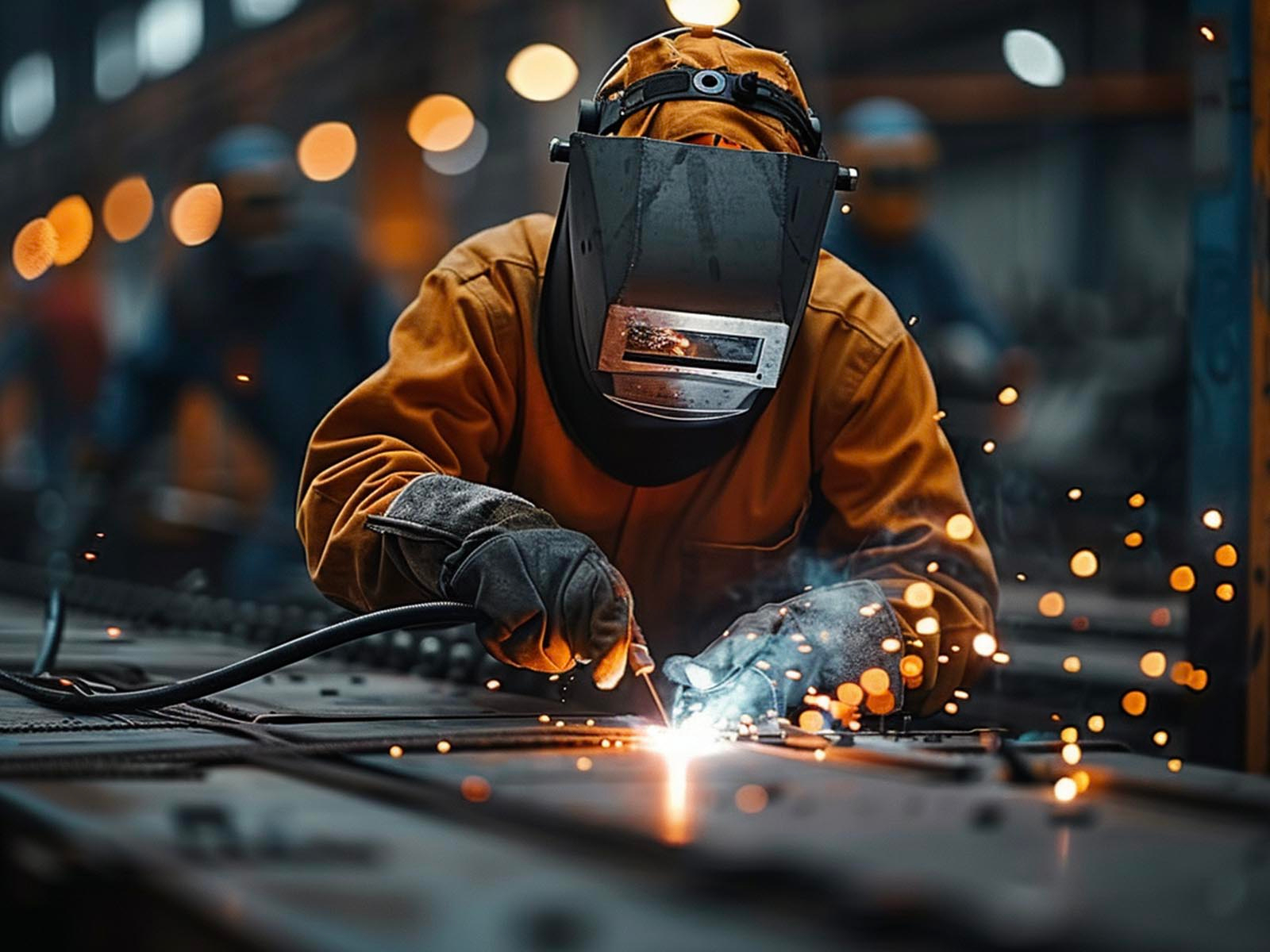
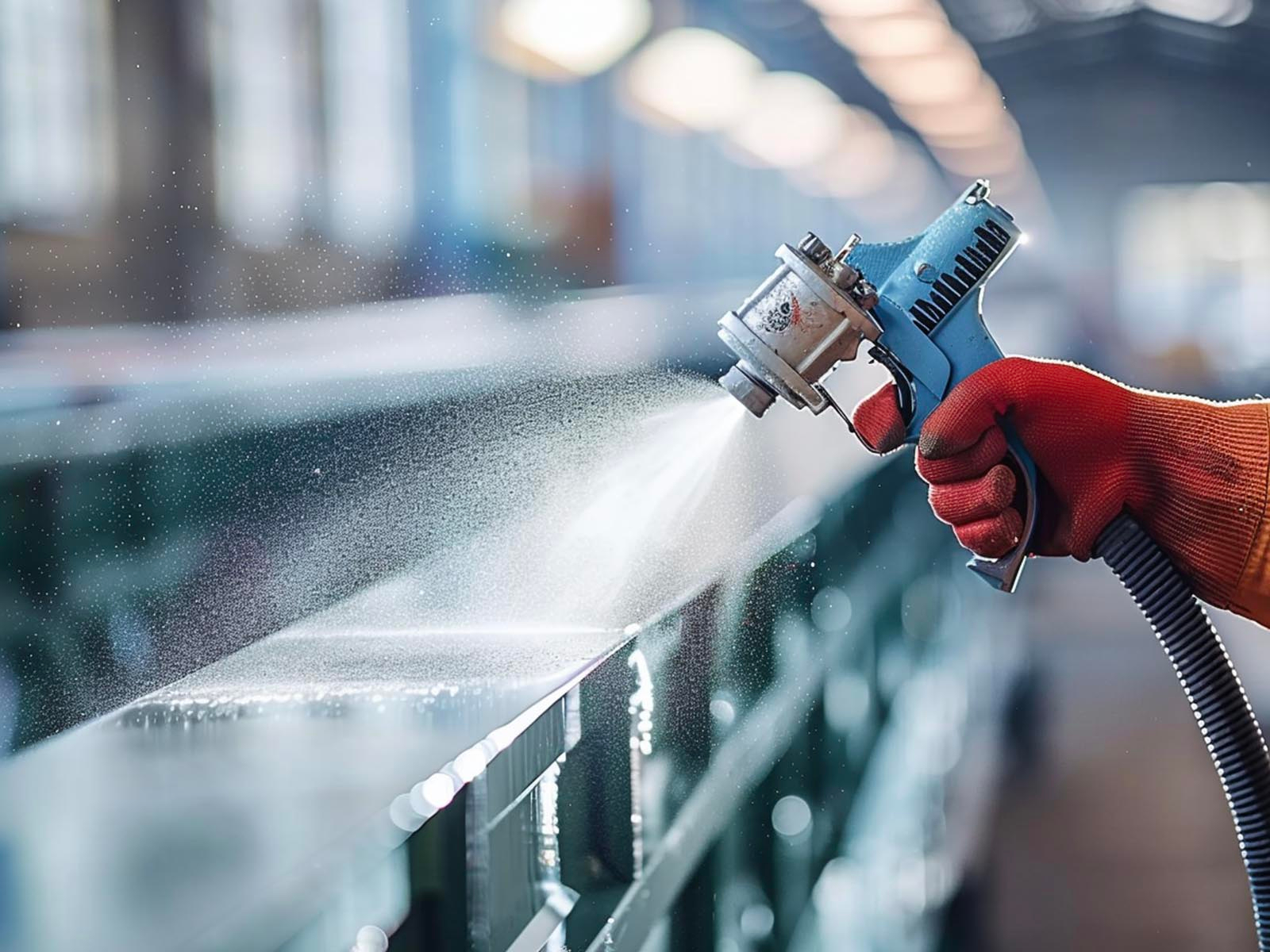
Robotic welding cells provide unmatched consistency for high-volume assemblies, while certified manual welders remain essential for complex, low-volume geometries. Prioritize vendors offering comprehensive turnkey capabilities. In-house powder coating, hardware insertion (such as PEM studs and standoffs), and final mechanical assembly drastically reduce secondary supply chain handoffs. Consolidating these processes under one roof minimizes transit damage, accelerates lead times, and centralizes quality accountability.
Early-stage DFM collaboration reduces material waste and simplifies downstream assembly. A proactive engineering team will review your CAD models and suggest minor alterations that yield massive production efficiencies. They might recommend standardizing bend radii across a part to eliminate press brake tool changeovers. They could suggest adding relief cuts to prevent material tearing during complex forming operations.
Evaluate the supplier’s engineering software compatibility. They should natively support industry-standard formats from SolidWorks, AutoCAD, and Inventor. Ask for specific examples of their proactive design optimization. A capable partner will not blindly manufacture a flawed design; they will identify impossible tolerances, inaccessible weld joints, and inefficient material nesting before the first sheet of metal is cut.
Hole-to-Edge Distance: Ensuring holes are placed far enough from bend lines to prevent distortion during the forming process.
Bend Reliefs: Adding small cutouts at the corners of flanges to stop the material from tearing when bent.
Hardware Consolidation: Swapping multiple different fastener sizes for a single standard size to speed up the hardware insertion process.
Material Utilization: Adjusting the flat pattern slightly to allow for tighter nesting on the raw sheet, reducing scrap metal.
Automation separates scalable partners from stagnant job shops. Look for automated material handling systems attached to laser cutters. Load/unload towers allow lasers to run unattended overnight, drastically increasing throughput. Automated part sorting systems reduce manual labor and prevent parts from being lost or damaged during extraction from the sheet skeleton.
Robotic press brakes and automated welding cells ensure consistent cycle times and mitigate the risks associated with skilled labor shortages. When a facility utilizes Flexible Manufacturing Systems (FMS), they can pivot between different product lines rapidly without extensive manual setup. This scalability ensures your production runs remain on schedule even during sudden spikes in demand.
Move beyond marketing claims by verifying a supplier's actual commitment to quality control. A robust quality management system (QMS) prevents defective parts from ever leaving the facility. You must audit their documentation practices, inspection equipment, and adherence to industry-specific compliance standards.
Certifications prove a facility operates under standardized, audited procedures. ISO 9001 serves as the baseline quality management standard for general manufacturing. It dictates requirements for document control, continuous improvement, and corrective action protocols. For specialized industries, baseline certifications are insufficient.
AS9100: Mandatory for aerospace and defense manufacturing. It requires extreme material traceability, foreign object debris (FOD) prevention, and strict risk management protocols.
ISO 13485: Required for medical device components. It focuses on comprehensive documentation, cleanliness standards, and lifecycle traceability.
ITAR Registration: Essential for military and defense contractors. It ensures the facility complies with strict security protocols regarding the export and handling of defense-related technical data.
Always verify the active status of these certifications directly with the issuing registrar. Request to review summaries of their recent audit findings to ensure they maintain compliance between official inspections.
A reliable supplier must possess advanced metrology equipment. Calipers and tape measures are insufficient for complex geometries. Look for Coordinate Measuring Machines (CMMs) capable of verifying complex 3D profiles. Laser scanners and optical comparators provide rapid, highly accurate flat pattern inspections directly on the shop floor. Ensure all inspection equipment adheres to a strict, documented calibration schedule.
Standardized quality reporting builds trust. Require First Article Inspection (FAI) reports for all new revisions. An FAI verifies that every single dimension on the engineering drawing has been measured and meets the specified tolerance before production begins. For high-volume automotive or industrial applications, demand Production Part Approval Process (PPAP) documentation. This rigorous framework proves the manufacturing process is stable, repeatable, and capable of meeting requirements consistently.

Assess the supplier's resilience against macroeconomic disruptions. A fabricator is only as reliable as their raw material supply chain. You must evaluate their ability to maintain consistent material flow, manage inventory efficiently, and navigate logistical challenges.
Evaluate the supplier’s purchasing power and mill relationships. Large fabricators buy raw metal directly from mills, ensuring priority allocation during material shortages. Smaller shops rely on local service centers, leaving them vulnerable to sudden stockouts and allocation limits. Ask about their strategies for securing long-term material contracts.
Discuss the implementation of Vendor-Managed Inventory (VMI) or Kanban systems. Under a VMI agreement, the supplier manufactures and holds a predetermined quantity of finished parts on their floor. As you consume parts, they automatically trigger new production batches to replenish the safety stock. This continuous flow prevents assembly line shutdowns and reduces your internal warehousing requirements.
Geographic location heavily impacts logistical efficiency. Offshoring introduces massive logistical complexities. Ocean freight adds weeks to your lead times and exposes your supply chain to port strikes, customs delays, and geopolitical risks. Furthermore, shipping large, empty sheet metal enclosures across the ocean is highly inefficient, as you are essentially shipping air.
Nearshoring or onshoring reduces freight distances, shortens lead times, and allows for tighter collaboration. Domestic suppliers can respond rapidly to engineering change orders or sudden demand spikes. Analyze your product's volume and weight to determine the optimal geographic radius for your manufacturing partner. Heavy, bulky items almost always benefit from localized production.
Transparent communication serves as a critical risk mitigation tool. When supply chain disruptions occur or engineering change orders are issued, you need immediate, accurate information. Evaluate the supplier’s project management structure during the initial quoting phase. Slow, vague responses to an RFQ indicate how they will handle a production crisis.
Determine if you will have a dedicated account manager. A single point of contact prevents miscommunication and ensures your project requirements are understood across their entire organization. Inquire about their production tracking capabilities. Advanced facilities utilize Enterprise Resource Planning (ERP) software that provides real-time visibility into your order status, material availability, and shipping schedules.
Onboarding a new manufacturing partner introduces inherent vulnerabilities. Transitioning production requires transferring sensitive data, building new physical tooling, and validating unfamiliar processes. You must outline strict steps to protect your business assets and ensure a seamless ramp-up.
Custom tooling represents a significant investment. Specialized press brake dies, custom welding fixtures, and hardware insertion anvils are often required to manufacture complex parts efficiently. You must clarify the legal implications of this custom tooling before issuing a purchase order. Establish contracts that explicitly define tooling ownership.
Ensure the agreement states that you own the custom fixtures upon final payment, granting you the right to transfer them to another facility if the partnership fails. Define lifecycle maintenance responsibilities clearly. The supplier should be responsible for routine maintenance, cleaning, and storage of the tooling, while the contract should outline who covers the replacement requirements when a tool reaches the end of its usable life.
Securing proprietary CAD files, product designs, and unique manufacturing processes is paramount. Before sharing any technical data, execute a comprehensive Non-Disclosure Agreement (NDA). Detail the specific protocols required to handle your digital files. Ensure the supplier utilizes secure, encrypted portals for file transfers rather than standard email attachments.
Audit their internal data access policies. Only essential engineering and production personnel should have access to your proprietary models. If your product involves highly sensitive technology, verify that the facility restricts unauthorized photography on the shop floor and controls visitor access to production areas.
Never transition full-scale production immediately. Recommend a phased approach to production transfer to mitigate risks. Outline the structure of a pilot run to validate quality, dimensional accuracy, and cycle times. A standard pilot run might consist of 30 to 50 units.
During this phase, the supplier finalizes their machine programs, tests their custom welding fixtures, and dials in their powder coating parameters. Review the FAI report from the pilot run meticulously. Once the pilot parts are approved and assembly tests are successful, proceed to a low-volume production run. Only commit to full-scale manufacturing after the supplier has proven their ability to maintain quality and meet delivery schedules across multiple smaller batches.
Draft a standardized RFQ package containing native 3D CAD models, 2D dimensioned PDF drawings, and exact material specifications.
Request and verify active quality certificates directly from the issuing registrar to confirm compliance.
Schedule an on-site facility audit to inspect their metrology equipment, material handling processes, and shop floor organization.
Execute a pilot run of 30 to 50 units to validate dimensional accuracy and cosmetic finishes before authorizing full-scale production.
Choosing the right manufacturing partner ultimately means finding a supplier that can combine precision, quality control, engineering support, and reliable production under one roof. DINGPRECISION provides precision manufacturing solutions for customers with diverse project requirements, supporting the transition from design and prototyping to consistent production with a focus on quality, technical capability, and long-term manufacturing collaboration.
A: ISO 9001 serves as the fundamental baseline for quality management. Depending on your specific industry, you may require specialized certifications. Aerospace and defense projects demand AS9100. Medical device components require ISO 13485. Military applications strictly require ITAR registration to ensure secure handling of technical data.
A: Tighter-than-standard tolerances require specialized machinery, precision-ground tooling, and slower processing speeds, which increases manufacturing time. Oversized parts demand larger laser beds and higher-tonnage press brakes. Both tight tolerances and massive dimensions increase the complexity of the build and elevate the risk of scrap.
A: A standard fabricator typically only handles cutting and bending. A turnkey manufacturer encompasses cutting, forming, welding, hardware insertion, powder coating, and mechanical assembly under one roof. Turnkey operations drastically reduce logistical handoffs, accelerate lead times, and centralize quality control.
A: Request sample First Article Inspection (FAI) reports to evaluate their documentation standards. Review their equipment calibration schedules to ensure accuracy. During a facility tour, audit their on-site metrology equipment, looking for advanced tools like Coordinate Measuring Machines (CMMs) and optical laser scanners.
A: Tooling ownership must be explicitly negotiated in your manufacturing contract. Paying for custom welding fixtures or specialized press brake dies does not automatically grant you ownership or transfer rights. You must secure a written agreement detailing ownership, maintenance responsibilities, and transferability.
A: A supplier with strong DFM capabilities will proactively review your CAD models before production. They can suggest minor design alterations, such as standardizing bend radii or adjusting hole placements, that significantly reduce material waste, eliminate unnecessary tool changeovers, and accelerate overall production time.
A: A comprehensive RFQ package must include native 3D CAD models, 2D dimensioned drawings with explicitly stated tolerances, exact material specifications, and required finishing details. You must also provide estimated annual volumes and typical batch sizes to ensure accurate capacity planning and material sourcing.


