
Views: 0 Author: Site Editor Publish Time: 2025-11-14 Origin: Site


Sheet metal fabrication is when you change flat metal sheets into useful things. You cut, bend, join, and finish metal pieces for many uses. Many industries use this process. It helps make strong, custom parts fast and with less waste. You can see these good things in home appliances, automation, and energy:
Benefit | Impact on Efficiency and Cost-Effectiveness |
|---|---|
Fewer mistakes | Makes production faster |
Fewer breakdowns | Makes running costs lower |
Using data to decide | Makes the whole process better |
Saving energy with good habits | Cuts costs and helps the environment |
Knowing about sheet metal fabrication shows why many products today work well and last longer.
Sheet metal fabrication changes flat metal sheets into useful things by cutting, bending, and joining.
Picking the right material, like steel or aluminum, is important for strength, weight, and how long it lasts.
New methods like laser cutting and CNC bending help make things more exact and faster. This saves time and cuts down on waste.
Surface finishing keeps products safe and makes them look better. It also helps them last longer in different places.
Sheet metal fabrication is very important in many industries. It gives custom parts for appliances, energy systems, and automation.
Sheet metal fabrication changes flat metal sheets into needed parts. You cut, bend, and join metal to make things for many industries. These products are in home appliances, energy systems, and automation equipment. This process helps you make strong, custom parts fast and with less waste. It works for both small and big projects. Companies like Foshan Dingyi Industrial Technology Co., Ltd. use advanced tools for accurate results in many jobs.
You have many choices for sheet metal fabrication materials. Each metal has special benefits for different uses. Here are some common materials:
Steel: It is strong, lasts long, and is tough. Steel is good for building and heavy-duty products.
Aluminum: It is light, strong, and does not rust. Aluminum is easy to shape and works well for light but strong products.
Other metals can be used too, each with their own good points. The table below shows what makes each metal a good choice:
Metal | Key Properties |
|---|---|
Steel | Strong, tough, flexible, better with carbon, chromium, and nickel. |
Aluminum | Light, does not rust, conducts heat and electricity, easy to shape. |
Copper | Great at carrying electricity, does not rust, kills germs. |
Brass | Easy to work with, does not rust, looks nice. |
Titanium | Very strong for its weight, does not rust. |
Nickel Alloys | Very strong, tough, stands up to heat and rust. |
Carbon Steel | Stronger and harder because of carbon. |
Tip: Pick your material based on what your product needs, like strength, weight, and weather resistance.
Sheet metal comes in different forms and thicknesses. The thickness is called the "gauge." Gauge tells you how thick or thin the metal is. A higher gauge number means the metal is thinner. Different industries use different gauge standards, so check which one fits your job.
Here are some key points about sheet metal forms:
Gauge numbers can mean different thicknesses with different standards.
Aluminum, steel, and galvanized steel have different thicknesses for the same gauge.
Decimal thickness gives a more exact way to measure metal.
Thicker metal is called "plate," thinner metal is "sheet."
Use the right thickness to make sure your product is strong and safe.
Aspect | Description |
|---|---|
Gauge Size | Decides which process you use, like laser cutting or welding. |
Thickness Tolerance | Small changes in thickness can change how you make and use the part. |
Industry Niches | Some industries use sheet metal, others use plate metal, each needs different machines. |
Weight Differences | Sheet and plate metal weigh differently, which changes how you handle them. |
Fabrication Rules | Rules about gauge, thickness, and weight affect hole sizes and welds. |
Experience Requirement | You need skill and practice to work with different forms of sheet metal. |
Knowing about the forms and standards of sheet metal helps you pick the right material and process for your project. This makes your sheet metal fabrication work more accurate and efficient.
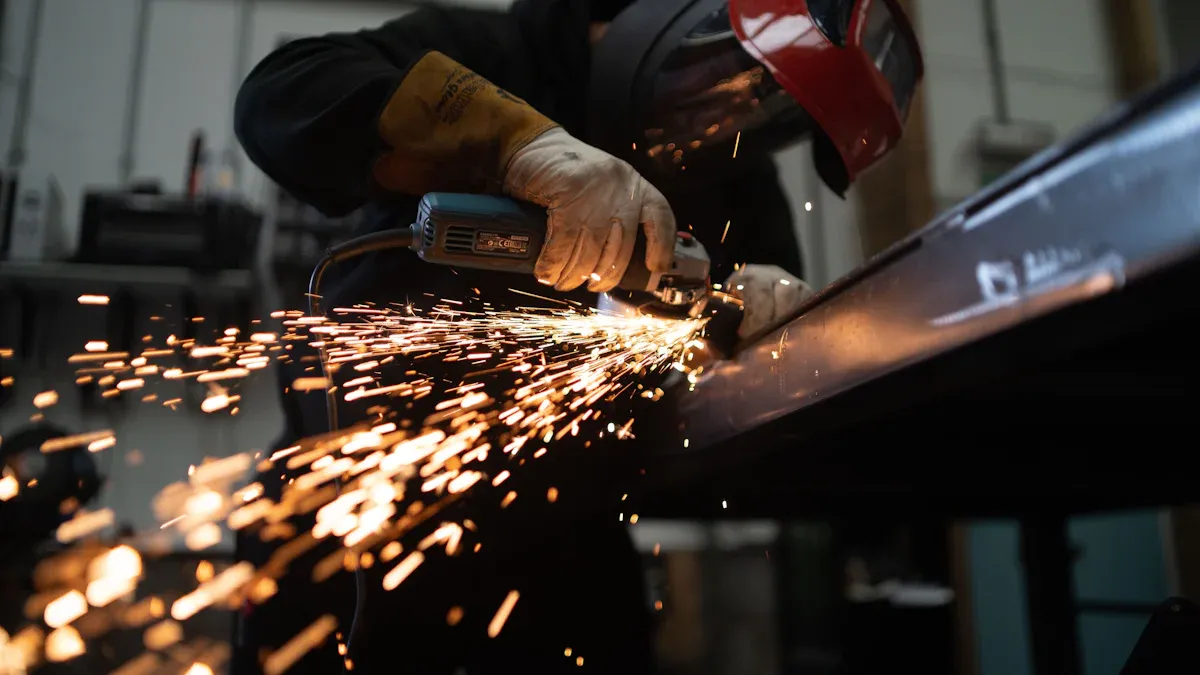
Sheet metal fabrication has many steps. Each step helps shape the final product. It also makes sure the product fits your needs. At Foshan Dingyi Industrial Technology Co., Ltd., we use modern machines. We also use digital tools to get very accurate results.
First, you pick the right material for your project. The material you choose changes how strong, heavy, or nice your product looks. You should think about a few things:
Cost
Strength
Corrosion resistance
Durability
Ductility
How easy it is to make
The material you pick changes how your product works. Stainless steel is good for tough places because it is strong. Aluminum is light, so it is easy to move. Cold-rolled steel is a good mix of price and strength. If you want your product to look shiny, pick polished stainless steel.
Material Type | Impact on Fabrication Outcome |
|---|---|
Stainless Steel | Handles tough places, good for chemical plants or outside. |
Aluminum | Makes products light, used in cars and planes. |
Titanium | Very strong and light, but costs more, used for special jobs. |
Cold-Rolled Steel | Strong and not too expensive, used for exact parts. |
Corrosion-Resistant | Needed for boats or oil jobs to stop rust. |
Aesthetic Appeal | Shiny metals look nice for things you see every day. |
Tip: Always pick a material that matches what your product needs. This helps you get the best results from sheet metal fabrication.
After you pick your material, you cut and shape it. New machines make this step fast and very exact. At Dingyi, we use strong laser cutters and CNC punching machines. These tools help you make tricky shapes and small details.
Some of the best ways to cut and shape metal are:
Laser Cutting: A strong laser cuts metal very neatly. You can make cool designs and smooth edges.
CNC Punching: A computer tells the machine where to punch holes and shapes. This is good for making many of the same part.
Waterjet Cutting: Water under high pressure cuts metal without heat. This is good for thick or soft metals.
Plasma Cutting: Plasma melts and cuts metal very fast.
These ways help you save time and waste less metal. Digital controls make sure every cut is just right. Our laser cutters can work with both flat metal and pipes. This gives you more ways to make your project.
Next, you bend and form the metal into the right shape. This step gives your product its strength and look. We use CNC press brakes and other smart machines to bend metal very well.
Technique | Description |
|---|---|
V-Bending | Uses a V-shaped tool to make sharp bends. |
Roll Bending | Bends metal into curves, good for long or round parts. |
Rotary Bending | Uses a spinning tool to bend metal past 90 degrees, good for thick sheets. |
Edge Bending | Bends just the edge, often used to make strong panel edges. |
CNC bending lets you make many shapes that fit just right. Our machines can bend big parts and keep every bend the same. This is important for things like control boxes, appliance covers, and machine frames.
You often need to join metal parts together. This step makes your product strong and ready to use. There are many ways to join metal:
Method | Pros | Applications |
|---|---|---|
Clinching | No extra parts needed, quick and neat. | HVAC, metal buildings, cars |
Hemming | Makes smooth, strong edges. | Appliances, car parts |
Welding | Very strong joins, works for many shapes and sizes. | Building, machines, robots |
Brazing | Joins different metals, makes leak-proof joins. | Plumbing, HVAC, planes |
Soldering | Uses low heat, good for small or soft parts. | Electronics, plumbing |
Adhesives | Joins different materials, spreads force evenly. | Cars, electronics |
At Dingyi, we use robots to weld metal parts. These robots make every weld strong and the same. Sensors watch the welds and fix problems right away. This means fewer mistakes and longer-lasting products.
Note: Using robots for welding helps you get perfect joins every time. You do not have to worry about people getting tired or making mistakes.
The last step is surface finishing. This step protects your product and makes it look better. You can pick from a few finishing ways:
Technique | Description |
|---|---|
Anodizing | Adds a strong layer, good for stainless steel. |
Hot-Dip Galvanizing | Covers steel in zinc to stop rust. |
Powder Coating | Sprays a tough, colorful layer that does not chip or fade. |
Surface finishes help your product last longer. Powder coating gives a smooth look and keeps away weather and scratches. Our spray machines make sure every part gets an even coat. This is important for things like appliance covers, charging station cases, and machine cabinets.
A smoother finish can help your product last longer. For example, a bike frame with a smooth finish can handle more stress and break less.
Digital tools change how you do sheet metal work. Software helps you do jobs faster and with fewer mistakes. Digital steps mean you do not need old paper drawings. You get clear steps, so you make fewer errors. Sharing designs in real time helps everyone work together.
Digital Technology Feature | Impact on Precision |
|---|---|
Automated software packages | Makes work more exact and saves time, with fewer mistakes. |
Digital workflows | Gives clear steps, makes work more exact. |
Real-time design sharing | Less rework, better teamwork, and keeps projects on track. |
At Dingyi, we use digital systems for every step, from cutting to finishing. This helps us make very exact and strong products for home appliances, new energy, and automation.
When you use smart machines and digital tools, you get better products, faster delivery, and less waste.
Laser cutting helps you make detailed shapes from sheet metal. It gives smooth edges and works fast. At Foshan Dingyi Industrial Technology Co., Ltd., we use advanced laser machines. These machines cut both sheet metal and pipes. You get clean cuts with little waste. Laser cutting saves money because you do not need special tools. It does not take long to set up. It is very accurate, so you can make complex designs. Automation and CNC controls help every cut look the same. You finish jobs quickly with laser cutting. You can cut many types and thicknesses of metal. Laser cutting is good for appliance housings, charging station covers, and custom parts.
CNC bending shapes metal parts with exact angles. It makes curves that fit your needs. We use CNC press brakes for big parts. Every bend is the same each time. CNC bending gives strong and repeatable results. One machine does all the work. You do not need to move parts to other machines. Automation means you need fewer workers. This saves money for your company. CNC controls keep every bend accurate. You avoid mistakes and do not need to redo work. CNC bending is great for control cabinets, appliance panels, and frames.
Welding joins metal parts to make strong products. We use robots and people for welding. We use argon arc and laser welding too. Robots make clean and repeatable welds. This is important for control cabinets and fire boxes. Welded joints are strong and last a long time. They stand up to stress and bad weather.
Tip: Automated welding helps you get good results. It works well for big or tricky parts.
Stamping and punching shape and cut metal fast. These methods are good for making lots of parts. Our punch presses handle tough jobs and complex patterns. Punching saves money for big batches. It reduces waste and is very precise. You get parts that match every time. Production is fast, so you fill big orders quickly. Stamping and punching are good for HVAC brackets, appliance parts, and enclosures.
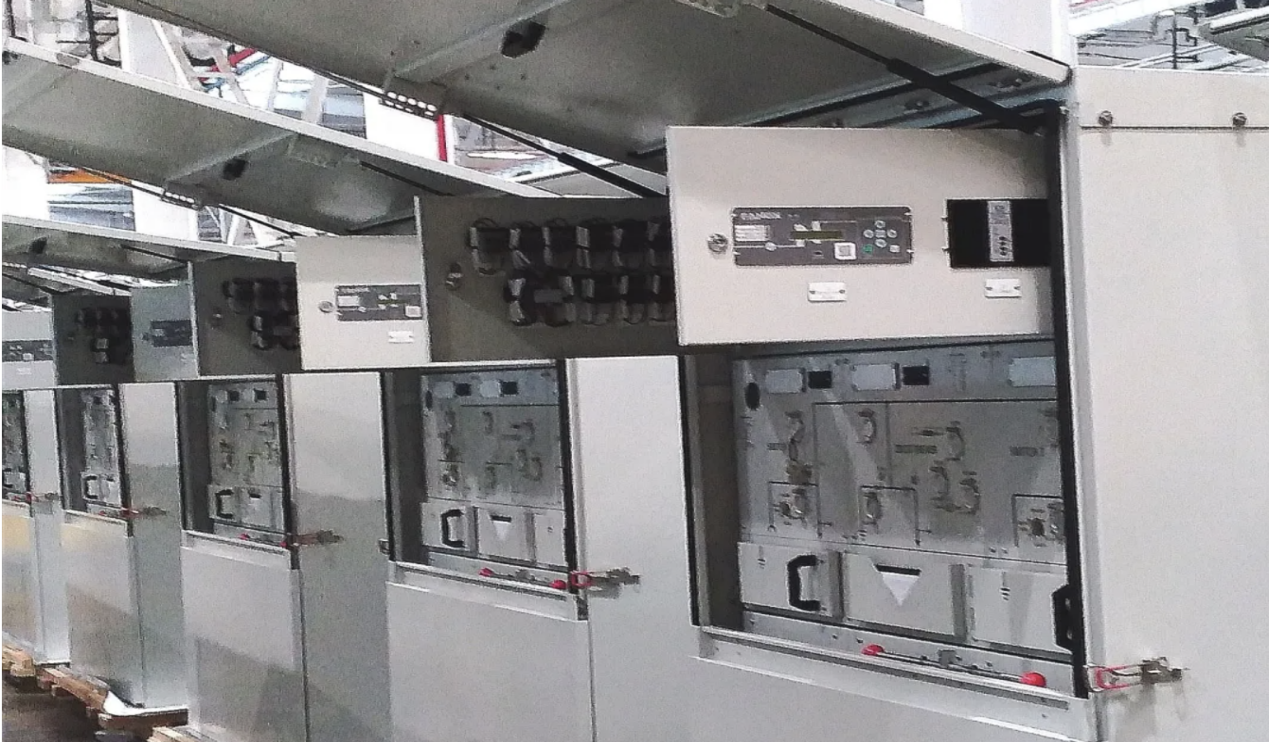
You need special cutting machines to shape sheet metal well. Modern shops use many machines to get good results.
Grinders help finish surfaces and make neat cuts.
Planer machines shape big parts and make flat or slanted surfaces.
Shearing machines cut sheets and plates fast, giving smooth edges.
Boring machines make holes bigger with great accuracy.
Hobbing machines cut gears, splines, and sprockets for special jobs.
These machines let you work with many shapes and sizes. You can do both easy and hard projects without trouble.
Bending equipment shapes metal into the forms you want. New technology makes this step quicker and more exact. Here is how different features help you:
Technology Type | Benefits |
|---|---|
Hybrid Machines | Use both hydraulic and electric power for fast setup and good bends. |
Quick-Change Tooling | Let you switch jobs quickly, so you make more parts. |
Automation Integration | Keep machines working and lower mistakes, which saves time. |
Industry 4.0 Controls | Give you live data and better control over your work. |
You get strong, repeatable bends for every project. This helps you finish jobs on time and meet high standards.
Welding tools join metal parts to make strong products. In a modern shop, you use many tools to do the job well.
Clamps hold pieces in place while you weld.
Positioners help you move parts for better reach.
Welding tables give a flat, safe spot to work.
Welding accessories like helmets, gloves, and wires keep you safe and help quality.
Beveling machines get edges ready for strong welds.
CNC plasma systems cut and weld with computer help for extra accuracy.
These tools help you make solid, long-lasting joints in every project.
Surface treatment systems protect and improve your finished products. You use these systems to help your parts last and look nice.
A good enclosure looks nice and stands up to bad weather.
Surface treatment is important for air conditioner covers, keeping them safe outside.
Outdoor telecom cabinets need special coatings to stop rust and damage.
Energy storage cabinets need surface treatments to stay strong and work well.
Tip: Good surface treatment keeps your products looking new and working well, even in tough places.
Sheet metal fabrication is used in many fields. Each industry needs it for different jobs. Foshan Dingyi Industrial Technology Co., Ltd. helps with many solutions. We work with home appliances, charging stations, robots, automation, and HVAC systems. The table shows how each industry uses sheet metal parts:
Industry | Specific Applications |
|---|---|
Home Appliances | Covers for appliances, panels for smart devices, furniture parts |
New Energy | Cases for charging stations, boxes for storing energy, cooling parts |
Robotics & Automation | Cabinets for robot controls, data cabinets, frames for machines |
HVAC | Air ducts, covers for air conditioners, brackets |
Automobile Repair | Car body parts, inside car pieces |
Building & Agriculture | Frames for buildings, special parts for building and farming |
Medical Applications | Medical machines, tools for surgery |
Transportation | Parts for vehicles, containers, tools for fixing vehicles |
Office Components | Cabinets for files, covers for electronics |
You can find these sheet metal products at home, work, and in public places. These parts help machines work better and last longer.
Sheet metal fabrication gives you many good things:
You get parts made just for your needs.
Ready-made or easy-to-build parts make setup simple.
Strong metals like steel and aluminum last a long time.
Special coatings protect from rust and damage.
Good planning saves time and money.
Exact work means fewer errors and quick results.
Making things your way, strong parts, and fast work help you finish projects and save money.
You use things made with sheet metal every day. You see them in your kitchen, air conditioner, and smart devices. Electric car chargers, robot cabinets, and HVAC systems all need these parts. Foshan Dingyi makes sure every product is strong and looks good.
Appliance covers keep electronics safe and look nice.
Covers for chargers protect equipment outside.
Air ducts and brackets help keep buildings cool or warm.
Cabinets for robots and frames for machines help smart factories work.
When you use an appliance or see a charging station, remember sheet metal fabrication made it possible.
You now know that sheet metal fabrication changes flat metal into things we use. First, you choose the best material for the job. Then, you cut, bend, and join the metal pieces. After that, you finish each part to make it ready. Many industries use this process, like making home appliances and energy systems. Every day, you use things made with these steps. Precision sheet metal fabrication helps shape many things around us. If you need strong and special products, see what Foshan Dingyi Industrial Technology Co., Ltd. can do.
Sheet metal fabrication makes parts for many things. You can use it for home appliances, robots, and HVAC units. It also helps with energy systems. This process lets you make strong and custom products. Many industries need these special parts.
Laser cutting makes smooth and exact edges. You can cut tricky shapes fast. This way, you waste less metal and work faster. Every part comes out neat and high-quality.
You often pick steel, aluminum, or stainless steel. Each metal has its own good points. Steel is very strong. Aluminum is light. Stainless steel does not rust. Choose the metal that fits your project best.
You get new machines and skilled workers. The company uses digital tools for every job. They make custom parts for home appliances and energy. You get strong, high-quality products quickly.


