
Views: 0 Author: Site Editor Publish Time: 2026-10-03 Origin: Site


Managing multiple vendors for a single component creates immediate logistical bottlenecks. You send flat patterns to a laser cutting facility. Those cut blanks ship to a specialized forming shop. Finally, the formed parts travel to a welding and finishing center. This siloed approach to manufacturing compounds hidden costs at every step. Shipping work-in-progress inventory between specialized shops extends lead times and erodes profit margins through administrative overhead and rework.
Centralizing production under one roof fundamentally shifts operational efficiency. Managing cutting, forming, welding, and finishing in a single facility eliminates the friction of a fragmented supply chain. This one-stop manufacturing model directly reduces overall production costs for custom parts and complex assemblies. You regain control over quality, speed up time-to-market, and strip unnecessary freight expenses from your bottom line. Consolidating your manufacturing processes transforms your production lifecycle from a disjointed logistical headache into a streamlined operation.
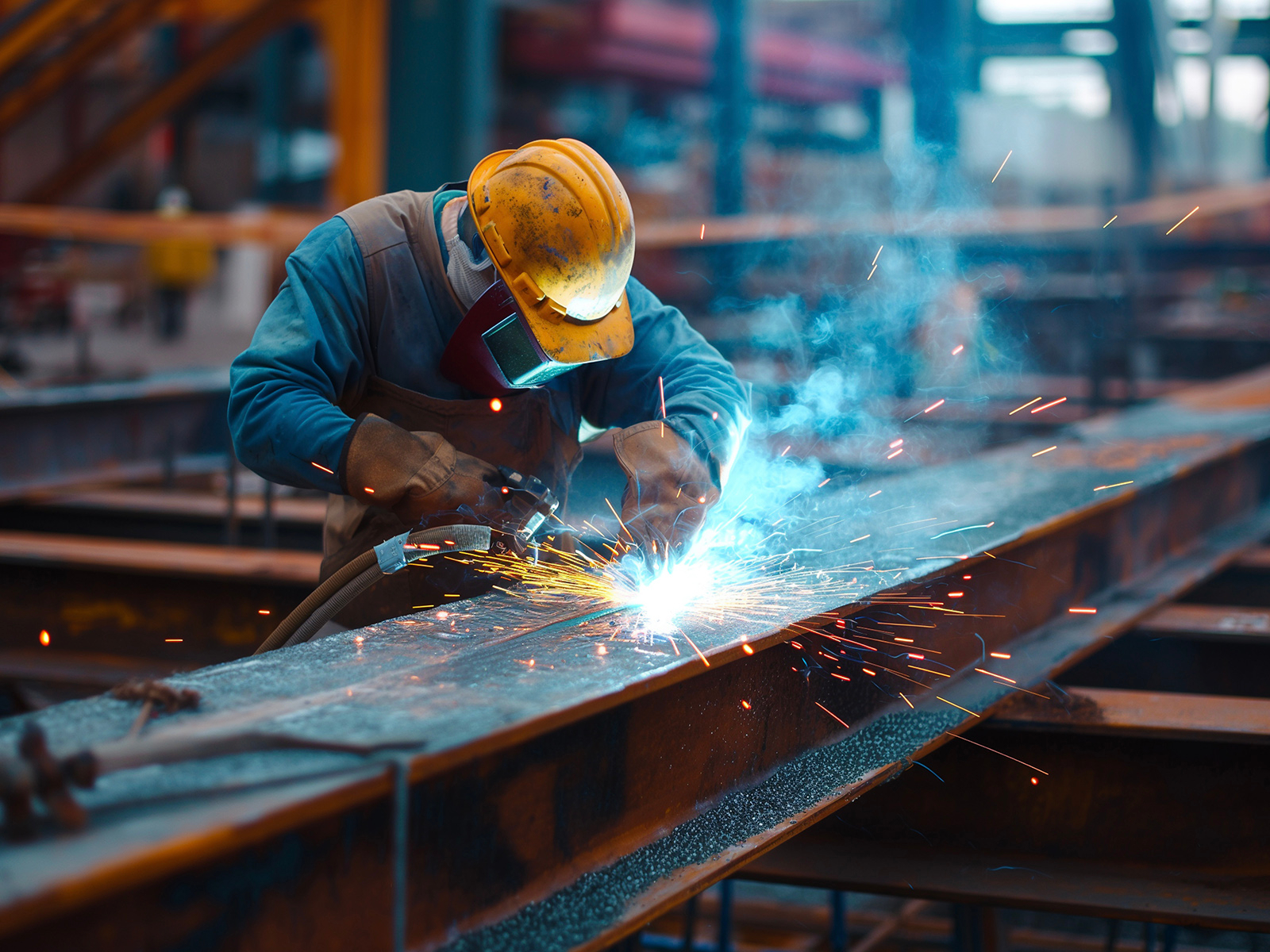
Consolidation Eliminates Transit Waste: Removing intermediate shipping steps between specialized vendors significantly reduces freight costs, handling damage, and lead times.
Early DFM Integration: Single-source partners can apply Design for Manufacturability (DFM) across the entire production lifecycle before the first article is produced, preventing costly downstream errors.
Unified Quality Control: Centralized production ensures strict adherence to tolerances from raw material cutting to final assembly, minimizing scrap and rework.
Strategic Vendor Reduction: Consolidating metal fabrication reduces administrative burden, simplifies procurement, and mitigates intellectual property risks.
Table of Contents
Transporting work-in-progress materials between different facilities drains your manufacturing budget. Moving parts from a laser cutting shop to a separate welding facility requires packaging, palletizing, and freight coordination. You pay for the truck, the fuel, and the driver. Once the parts arrive, the next vendor charges for receiving, unloading, and un-packaging. These non-value-added steps inflate the final piece price without improving the product.
Transit introduces a massive risk of part damage. Bare steel components shifting on a pallet can suffer deep scratches or edge deformation. When a flatbed truck hauls unprotected carbon steel through the rain, flash rust develops instantly. When a powder coating vendor receives dented or rusted parts, they either reject the batch or charge extra for surface prep, sandblasting, and grinding. Every time a forklift moves your incomplete inventory, your risk profile increases.
Supply chain bottlenecks directly impact your time-to-market. Extended lead times result in lost revenue. If your forming vendor runs three days behind schedule, your welding vendor might reallocate your production slot to another client. This domino effect delays final assembly. Late product launches cost original equipment manufacturers market share and damage customer relationships.
Fragmented supply chains create a culture of deflected responsibility. When a final assembly fails inspection, determining the root cause becomes a logistical nightmare. The welding shop blames the forming vendor for incorrect bend angles. The forming vendor blames the laser cutter for poor edge quality or incorrect flat pattern dimensions. This blame game leaves you paying for the scrap while vendors argue over liability.
Disparate quality assurance standards across multiple shops lead to inconsistent yields. A cutting facility might operate with a +/- 0.010" tolerance. The secondary forming shop might accept +/- 0.015". By the time the parts reach the welding fixture, this tolerance stack-up prevents proper fitment. The welder then spends hours grinding edges or filling massive gaps just to make the assembly work. Inconsistent QA standards guarantee higher scrap rates and force expensive manual rework on the assembly floor.
Managing multiple vendors requires significant administrative labor. Your procurement team must generate separate purchase orders for cutting, forming, and finishing. Accounts payable processes multiple invoices. Quality engineers conduct separate vendor audits and chase down material test reports from three different buyers. Consolidating these tasks into a single purchase order drastically reduces your internal procurement costs and frees up your staff for higher-level tasks.
Distributing proprietary CAD files across a fragmented network exposes your intellectual property. Sending engineering drawings and STEP files to five different specialized shops increases the risk of data leaks. A single-source partner contains your sensitive designs within one secure facility. This centralization protects your competitive advantage and simplifies non-disclosure agreement management.
The most effective cost reduction happens before manufacturing begins. Once a laser cuts the first sheet of steel, your costs are largely locked in. A unified fabrication team reviews CAD files to optimize designs for their specific in-house machinery. This early intervention prevents expensive downstream engineering changes. When you utilize comprehensive Metal Fabrication services under one roof, the engineers know exactly what their press brakes and welding cells can handle.
Engineers at a consolidated facility adjust bend radii to match their available press brake tooling. This eliminates the need to purchase custom dies. They identify areas where heavy welding can be replaced by simple bends. Reducing weld inches directly cuts highly skilled labor costs and minimizes heat distortion in the final part. They also check hole-to-edge distances to ensure the metal won't tear during the forming process.
Consolidated shops utilize specific sheet metal DFM strategies to lower unit prices. They standardize sheet thickness across entire assemblies. This allows operators to cut multiple different parts from a single sheet, reducing material changeovers. They relax non-critical tolerances, which speeds up machine cycles. Standardizing hardware, like using all 1/4-20 PEM nuts instead of mixing thread sizes, ensures insertion presses operate without stopping for manual tool swaps.
Centralized nesting software maximizes raw sheet metal utilization. When a single facility handles all your components, programmers can nest parts from different assemblies onto the same sheet. This high-density dynamic nesting reduces the amount of skeleton scrap left behind. They can also orient parts to respect the material grain direction, which is critical for forming stainless steel or aluminum without cracking. Better material yield directly lowers your per-part material cost.
A single facility manages scrap recycling much more efficiently than disjointed shops. They can repurpose offcuts for smaller brackets, internal gussets, or weld coupons. Centralized scrap collection also allows the fabricator to negotiate better rates with metal recyclers. These operational efficiencies translate into more competitive pricing for the end customer.
Designing parts for self-fixturing drastically reduces assembly time. A unified engineering team can implement tab-and-slot designs. These features allow flat-cut parts to interlock perfectly before welding, acting as a poka-yoke mechanism to prevent incorrect assembly. This eliminates the need for complex, expensive welding jigs. It also allows lower-skilled operators to tack-weld assemblies accurately, saving premium labor hours for critical structural welds.
Keeping all processes under one roof allows for concurrent manufacturing. While the laser cuts the final batch of panels, the press brake is already forming the first batch. Hardware insertion happens simultaneously with early sub-assembly. This parallel processing drastically reduces overall production time compared to the linear, stop-and-start nature of multi-vendor supply chains.
Holistic, single-source manufacturing improves the final product's structural integrity. When the same team cuts, forms, and welds the part, they understand how each step affects the next. They control the heat input during welding to prevent warping. They ensure proper surface preparation, like an iron phosphate wash, before powder coating. This guarantees better paint adhesion and prevents corrosion from creeping under the finish.
Precision engineering and unified assembly reduce long-term equipment maintenance costs. Parts fit together without forced alignment or residual stress. This durability lowers warranty claims for the end-user. By investing in a capable one-stop partner, you reduce the aggregate lifecycle expenses associated with field failures and replacement parts.
True one-stop Metal Fabrication requires a comprehensive suite of in-house equipment. You must verify that the vendor actually owns and operates the machinery, rather than quietly subcontracting the work to smaller local shops. Request an equipment list and look for these critical capabilities:
High-wattage fiber lasers capable of cutting thick plate with nitrogen assist to eliminate oxide layers.
Precision CNC press brakes equipped with 6-axis backgauges for complex, multi-bend parts.
Certified welding stations covering MIG, TIG, and automated robotic welding cells.
In-house CNC machining centers for tight-tolerance secondary operations like tapping or counterboring.
Automated hardware insertion presses with bowl feeders for high-speed fastener installation.
In-house finishing lines, such as automated powder coating booths or chemical plating baths.
Verify the age and automation level of their equipment. Modern fiber lasers cut significantly faster than older CO2 lasers. Automated material handling towers allow lasers to run unattended overnight, drastically increasing throughput. Ask about their preventative maintenance schedules. A shop that strictly maintains its equipment will deliver consistent tolerances and reliable delivery dates.
A strong fabrication partner must handle rapid prototyping without disrupting their high-volume production lines. First article inspection requires dedicated engineering time and machine setup. Evaluate how the vendor separates prototype runs from standard production. Dedicated prototype cells ensure your new product introductions move quickly without causing delays for existing orders.
Flexible capacity is critical for scaling up. As your product gains market traction, your vendor must keep pace. Look for automated material handling systems and robotic welding cells. These technologies allow a shop to scale output rapidly without needing to hire dozens of new operators overnight. Transparent capacity reporting helps you plan your inventory levels accurately and avoid stockouts.
Verifiable certifications prove a vendor's commitment to quality management. ISO 9001 is the baseline standard for general manufacturing. If you operate in specialized sectors, look for AS9100 for aerospace or ITAR registration for defense. These certifications require rigorous documentation, material traceability, and continuous improvement protocols.
Inspect their in-house measurement technologies. Calipers and tape measures are not enough for complex assemblies. A modern quality department relies on Coordinate Measuring Machines and portable Faro arms for precise dimensional verification. Automated optical inspection systems, like Virtek laser scanners, can scan flat patterns instantly to verify hole placements and edge profiles before the part moves to the forming department.
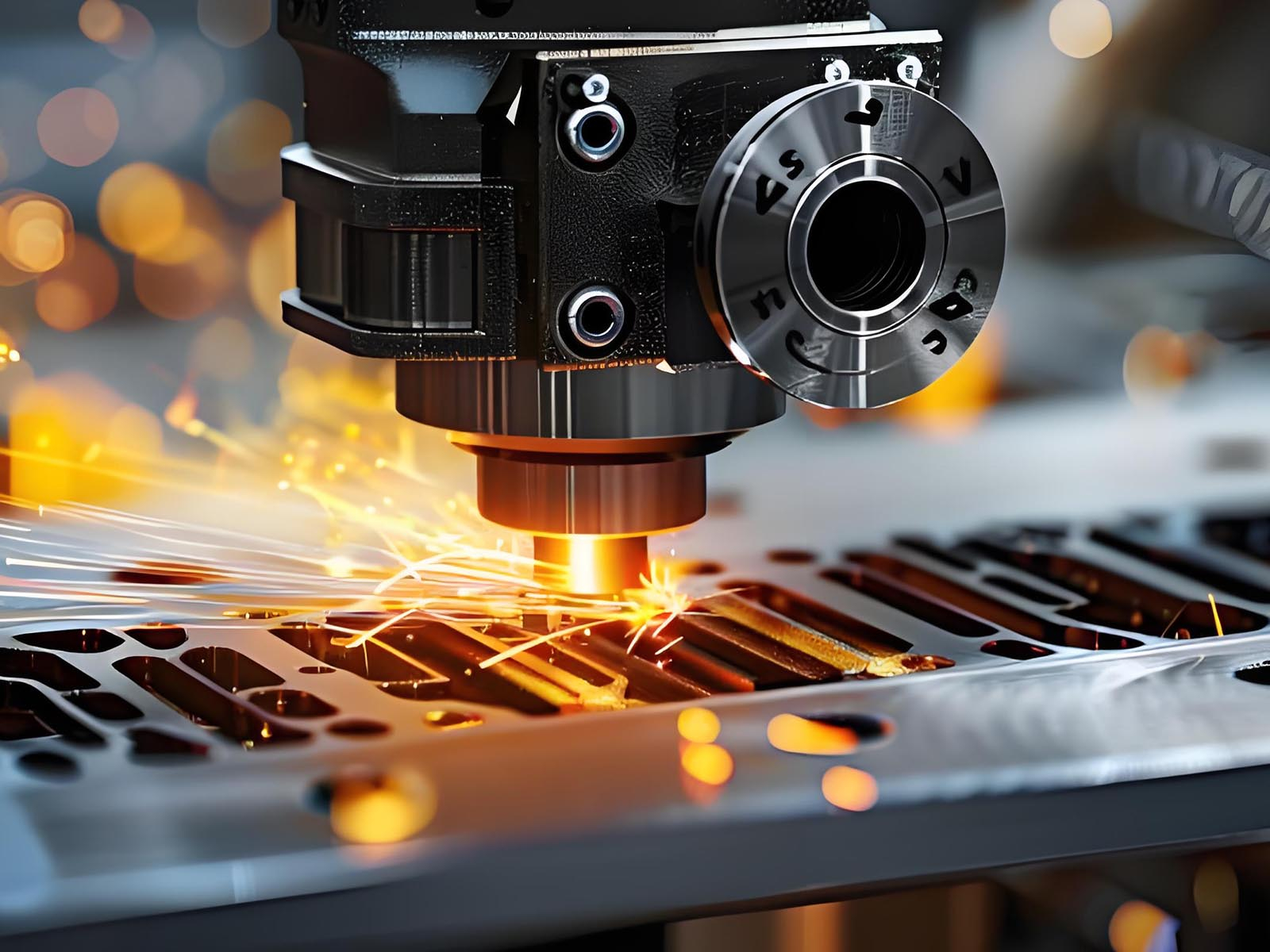
One-stop fabrication yields the highest return on investment for complex, multi-process assemblies. NEMA-rated electrical enclosures, heavy equipment chassis, and structural frames require tight coordination between cutting, forming, and welding. Consolidating these processes eliminates tolerance stack-up and drastically reduces lead times.
However, simple commodity parts might not benefit from this model. If you need one million basic stamped steel washers, a specialized, high-volume stamping house will likely offer a lower unit price. Consolidated shops carry overhead for their diverse equipment. Match the complexity of your part to the capabilities of the vendor.
Manufacturing Metric | Multi-Vendor Supply Chain | One-Stop Fabrication |
|---|---|---|
Lead Time | Extended by transit and queue times at each shop. | Shortened through concurrent in-house processing. |
Freight Costs | High due to multiple shipments of WIP inventory. | Low because only raw material enters and finished goods exit. |
Accountability | Fragmented, leading to a high risk of the blame game. | Single point of contact for all quality issues. |
IP Security | High risk as files are shared across many networks. | Secure since data is contained within one facility. |
Quality Control | Inconsistent standards across different vendors. | Unified inspection protocols from start to finish. |
Best Fit For | High-volume, single-process commodity parts. | Complex, multi-process parts and assemblies. |
Transitioning existing production to a new one-stop vendor often requires upfront investments. You may need to pay for new welding fixtures, custom press brake dies, or specialized inspection gauges. Analyze this financial trade-off carefully. Calculate the break-even point by comparing the upfront tooling cost against the long-term savings in unit price and logistics.
If a consolidated facility can reduce your unit price by optimizing the design and eliminating freight, the tooling investment usually pays for itself within a few production runs. Request a detailed ROI calculation from your prospective partner before moving legacy high-volume SKUs. Often, the reduction in scrap alone justifies the initial tooling expenditure.
Relying on a single supplier for end-to-end production creates a single point of failure. If that facility suffers a fire, a labor strike, or a catastrophic machine breakdown, your entire product line stops. Vendor lock-in reduces your leverage during price negotiations and exposes you to severe supply chain disruptions.
Mitigate this risk by establishing clear Service Level Agreements. Require transparent capacity reporting and regular financial health checks. Maintain secondary suppliers for critical sub-components. You do not need to split your volume evenly, but keeping a backup vendor active with a small percentage of your volume ensures you have a safety net if your primary partner fails.
Moving legacy projects to a new fabricator involves significant friction. CAD files might lack updated revision notes. Existing tooling might not fit the new vendor's machinery. Different shops use different K-factors and bend deductions based on their specific bottom V-dies. Undocumented tribal knowledge from your previous vendor can result in first-article failures at the new shop.
Implement a phased onboarding strategy. Do not move your highest-volume SKU first. Start with a pilot run or a new product introduction. This allows both teams to align their engineering communication, quality expectations, and shipping protocols. The new shop will likely need to reverse-engineer your flat patterns to match their tooling. Once the pilot run succeeds, begin migrating legacy projects systematically.
Transitioning to a one-stop fabrication partner requires rigorous upfront vetting and careful onboarding. However, the operational benefits far outweigh the initial friction. Eliminating logistical waste, unifying quality control, and applying holistic DFM strategies reliably lowers your overall production costs. You stop paying for freight between specialized shops and start paying for efficient, concurrent manufacturing.
When shortlisting potential partners, look beyond the lowest initial per-part quote. A cheap piece price often hides massive freight bills and high scrap rates. Prioritize fabricators with proven in-house capabilities, modern automated equipment, transparent QA processes, and strong engineering support.
Take the following steps to optimize your manufacturing supply chain:
Audit your current multi-vendor supply chain costs, explicitly isolating freight, packaging, and administrative expenses.
Identify one complex, multi-process assembly currently suffering from lead time delays or high scrap rates.
Request a comprehensive DFM review for that assembly from a consolidated fabrication partner.
Calculate the break-even point for transitioning that assembly, factoring in eliminated transit costs and reduced assembly labor.
For companies seeking an integrated manufacturing partner, DINGPRECISION provides precision manufacturing and metal fabrication solutions designed to support diverse custom component requirements. By combining manufacturing capabilities with a focus on quality, precision, and engineering support, DINGPRECISION helps customers streamline production and turn complex designs into reliable manufactured parts.
A: It is a manufacturing model where all processes—cutting, forming, welding, machining, and finishing—are completed by a single vendor in one facility. This centralized approach eliminates the need to ship work-in-progress parts between different specialized shops.
A: Consolidated fabrication eliminates intermediate transit costs and reduces administrative overhead. It also optimizes material usage through centralized nesting software and lowers scrap rates by maintaining unified quality control from raw material to final assembly.
A: Optimizing CAD designs for specific manufacturing equipment reduces labor, material waste, and cycle times before production even starts. Early DFM prevents costly downstream engineering changes and simplifies final assembly.
A: Standardizing material thickness across an assembly reduces machine setup time. Relaxing non-critical tolerances speeds up processing. Simplifying part geometry to utilize tab-and-slot designs eliminates the need for expensive, complex welding fixtures.
A: Relying on one facility does create a single point of failure. You can mitigate this vendor lock-in risk objectively by establishing strict SLAs, conducting regular capacity audits, and maintaining strategic redundancy with backup suppliers for critical components.
A: Look for ISO 9001 as a baseline for quality management. Depending on your sector, you may require AS9100 for aerospace, ISO 13485 for medical devices, or ITAR registration for defense. Verify that their welders hold AWS certifications.
A: Savings vary by project complexity, but businesses often see significant reductions in total aggregate spending. These savings typically come from eliminated freight bills, lower scrap rates, and decreased procurement labor hours rather than just reductions in raw material costs.


