
Views: 0 Author: Site Editor Publish Time: 2025-10-28 Origin: Site


Laser welding uses a focused laser beam to join metal parts. It makes clean and strong welds with little heat and less bending. This method is very accurate and fast. It is great for advanced manufacturing.
The global market for laser welding will grow from $2.9 billion in 2025 to $4.2 billion by 2035. It will grow at a steady 3.7% each year.
Metric | Laser Welding | Traditional Welding |
|---|---|---|
Speed | Over 200 inches per minute | 20-50 inches per minute |
Precision | Spot sizes as small as 0.1mm | Larger heat-affected zones |
Heat Input | 10-100 times lower | Higher heat input |
Mechanical Properties | Superior, fine-grained results | Depends on operator skill |
Laser welding helps you make very accurate welds. This is important in industries that need very exact work.
Laser welding uses a strong light beam to join metal parts. This makes welds that are strong and exact. It also uses less heat than other ways.
This method is faster than old welding ways. It can go over 200 inches each minute. This makes it great for new factories.
Laser welding can join many kinds of metals. This gives it more uses in different jobs. It is used in cars, planes, and electronics.
The process makes fewer mistakes and less waste. This keeps work areas cleaner. It also makes welds more dependable.
Picking the right laser source and settings is very important. This helps get the best welds and saves time.
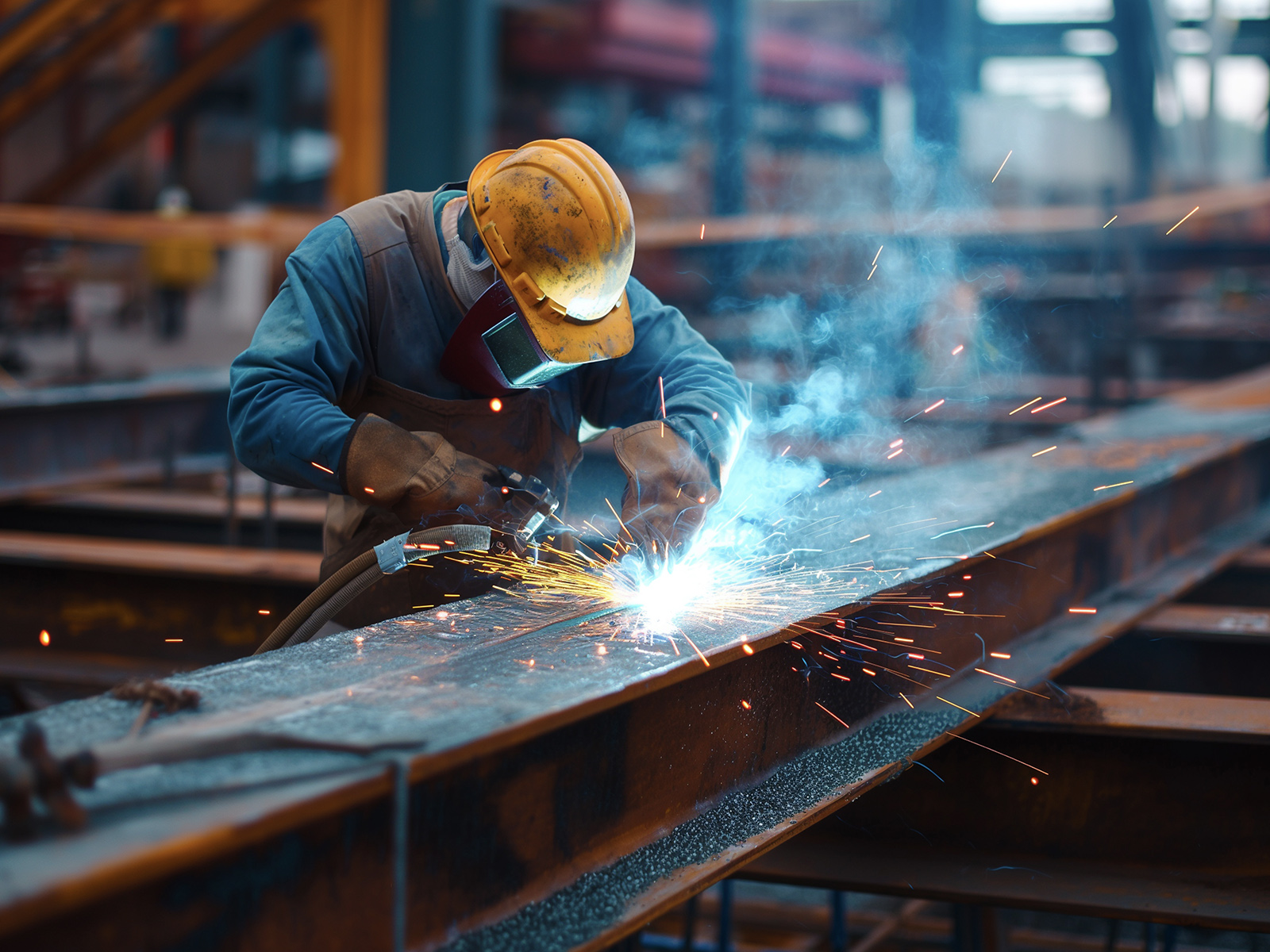
You use laser welding to join metal parts with a focused beam of light. This method gives you high precision and speed. The laser beam creates a small, intense spot of heat. You can weld thin sheets or thick plates with this process. Laser welding works well for many materials, including carbon steel, stainless steel, and aluminum alloys. You can even join different types of metals together. The concentrated heat means you get strong welds with little distortion.
Laser welding uses high power and precision.
You can join dissimilar materials, even if they have different properties.
The focused beam gives you efficient welding and minimal bending.
The table below shows how much power you might need for different material thicknesses:
Material Thickness | Laser Power | Remark |
|---|---|---|
<2 millimeters | 500W | Surface absorbs energy, creates a shallow weld pool. |
2 to 5 millimeters | 1000 to 2000W | Balances heat and speed for deeper welds. |
>5 millimeters | 2000 to 3000W | Heats deeper layers for a strong, solid bond. |
Laser welding stands out because you can control the heat so well. You get clean welds, smooth surfaces, and less need for finishing work. This technique is popular in industries like automotive, aerospace, and electronics. You can rely on it for both small and large projects.
You follow a series of steps to complete the laser welding process. Each step helps you get a strong and reliable joint.
Clean the parts you want to weld. Make sure the edges fit tightly with no gaps.
Use clamps or fixtures to hold the parts steady.
Adjust the laser beam’s focus to the exact spot you want to weld.
Set the right power level for your material. Test on scrap pieces first.
Start the weld by aiming the beam at the joint. Move the beam smoothly along the seam.
Let the part cool down naturally or use water to speed up cooling.
Laser welding uses a focused beam to melt the metal at the joint. The heat is so intense that the metal melts quickly and forms a strong bond as it cools. You can control the depth and width of the weld by changing the laser’s power and focus. For example, stainless steel needs less heat because it does not conduct heat as well as other metals. Aluminum alloys need more energy because they reflect light and heat.
Tip: Always check your settings before you start. The right focus and power make a big difference in weld quality.
Laser welding gives you the flexibility to work with many materials and thicknesses. You can use it for thin sheets or thick plates. The process is fast and efficient. You get strong, clean welds with little extra work needed.
Laser welding has two main ways to join metals. These are conduction mode and keyhole mode. Each way works in a different manner. You pick the best one for your project. Think about how thick the metal is. Think about how strong you need the weld. Think about how you want it to look.
Conduction mode uses a laser with less energy. The heat only melts the top of the metal. The melted metal spreads out and makes a wide, shallow weld. This way gives you a smooth and neat finish.
Aspect | Description |
|---|---|
Energy Density | Low energy density, about 0.5 MW/cm². |
Weld Characteristics | Shallow and wide weld nugget, smooth surface. |
Typical Applications | Aesthetic welds, battery sealing, advanced metal joining. |
People use conduction mode for battery sealing. It is good when you want the part to look nice. This process stops splatter and keeps the part clean. You can use it with or without filler material.
Tip: Use conduction mode to protect delicate parts. It is also good if you want a perfect surface.
Keyhole mode uses much more energy. The laser melts and turns the metal into vapor. This makes a small hole called a keyhole. The keyhole lets the laser go deep into the metal. You get a strong and deep weld.
Characteristic/Advantage | Description |
|---|---|
Deep welds in one pass | You get deep penetration quickly. |
Small heat-affected zone (HAZ) | Less heat spreads, so you see less distortion. |
High speed with minimal distortion | You can weld fast and keep parts straight. |
Strong mechanical bond | The weld holds up under heavy loads. |
Applications | Used in automotive, aerospace, battery packs, and tubing. |
Keyhole mode is used for deep and strong welds. It works best for thick metal or heavy-duty parts. The small heat-affected zone keeps the parts from bending.
Note: Keyhole mode is best for parts that need to be very strong and last a long time.
Laser welding gives you choices. Pick conduction mode if you want a nice look. Pick keyhole mode if you need strength. Both ways help you get good results in advanced manufacturing.
A laser welding system has many important parts. Each part helps make strong and clean welds. Let’s see what you find in most laser welding machines.
You need a good laser source to begin welding. The laser source makes the strong beam that melts and joins metal. In factories, people use fiber lasers, CO2 lasers, and Nd:YAG lasers. Some systems use blue, green, or diode lasers for special jobs. Fiber lasers are common because they work well and are steady. The laser you pick changes how fast, deep, and good your welds are.
Tip: Pick the right laser source for your material and thickness. This helps you get the best welds with your laser welding machine.
Focusing optics shape and aim the laser beam at your part. These optics control how the energy spreads on the surface. Good focusing optics make deep and narrow welds with smooth sides. If the optics are not steady, you may get cracks or weak welds. Many new systems watch the focus in real time to keep welds sharp and strong.
Focusing optics control how energy spreads.
Steady optics stop problems and make better welds.
Real-time checks help make welds more exact and reliable.
You must hold and move your parts carefully when welding. Workpiece handling uses clamps, fixtures, and sometimes robots. These tools keep metal pieces still and in the right place. Some systems use robots or moving tables to move parts under the laser. This makes welding faster and more exact, even for tricky shapes or big groups of parts.
Component | Function |
|---|---|
Laser Source | Makes the laser beam for welding |
Focusing Optics | Aims and shapes the beam for good welds |
Workpiece Handling | Holds and moves parts for better welding |
When you use the right parts, your laser welding machine works its best. This setup helps you make strong, exact, and repeatable welds every time.
Laser welding gives you many good things for your projects. This technology is known for being very exact and fast. You can join metals with a small heat-affected zone. That means your parts get less damage and do not bend much. Here are some main benefits:
You can weld tiny parts with great accuracy.
The process uses less heat than arc welding. Your parts stay strong and keep their shape.
You get fewer mistakes and more trust in your welds. Some companies say they have no weld failures with laser welding.
Laser welded joints are often stronger than those made by resistance welding.
You can work faster, so you finish more jobs.
Laser welding saves more energy than old methods. You help the planet by making less CO2 and less waste.
The process makes fewer bad fumes, so your workspace is cleaner and safer.
Laser welding machines let you weld many kinds of materials. You can use them for thin sheets and tricky shapes. You get strong, clean welds and do not need much extra work.
Tip: If you want better quality and less waste, laser welding is a smart choice.
Laser welding also has some problems you should know about. The table below lists the main problems you might face:
Challenge | Description |
|---|---|
Beam Quality | Bad beam quality can make weak welds that do not go deep enough. |
Heat Input Control | You must watch the heat to stop cracks or bending. |
Safety Issues | The strong beam can burn skin or hurt eyes, so you need safety rules. |
Maintenance and Calibration | You must check the machine often to keep welds good. |
Material Reflectivity | Shiny metals like aluminum and copper are harder to weld and may not always work well. |
Joint Fit-Up Tolerances | Parts must fit close together; gaps can make weak welds. |
Focus Spot Size | The spot size must match the material for the best weld. |
High Starting Costs | The machines and training cost a lot at first. |
Limited Penetration | Thick parts may not weld as deep as with other ways. |
Operator Skill Requirement | You need skilled workers for the best welds. |
Heat-Affected Zone (HAZ) | The HAZ can change the metal and make it rust faster. |
Shiny metals like aluminum and copper can bounce back a lot of the laser’s energy. This can make holes and uneven welds. Thick parts need more power and careful heat control to stop problems. You may need to change your process or use special lasers for these jobs.
Note: Always pick the right laser welding machine and settings for your material and project to get the best welds.
Laser welding is used in many industries that need exact metal parts. When you use laser welding machines for sheet metal, you get strong joints and smooth surfaces. This method works well for home appliances and furniture parts. It is also used for control cabinets. Car makers use it for car bodies and engine parts. Aerospace companies use it for engines and fuselages. Electronics makers use it for connectors and cables. Medical device companies use it for surgical tools. You also see it in consumer goods and renewable energy products like solar panels and wind turbines.
Common uses for laser welding in precision sheet metal:
Automotive body and engine parts
Aerospace assemblies
Electronics connectors
Medical devices
Home appliances
Solar and wind energy structures
Transportation equipment
At Foshan Dingyi Industrial Technology Co., Ltd., we use laser welding machines to make protective enclosures, data cabinets, and custom sheet metal parts. This helps you get reliable and high-quality products.
Laser welding helps robots and automated lines work better. Robotic arms and cobot systems use laser welding machines to join metals with high accuracy. These systems work fast and handle complex shapes. You get faster production and better quality. Laser welding is much quicker than old welding ways, so you finish more work in less time. Automated systems also lower mistakes and keep your workspace safe.
Robotic arms weld parts quickly and safely.
Cobot systems work with people and use sensors for safety.
You get consistent welds, even on tricky parts.
When you pick automated laser welding, you work faster and save money. At Dingyi, we use robotic welding workstations to make strong, repeatable welds for automation and robotics projects.
Laser welding is important in new energy and industrial fields. You see it in battery packs for electric vehicles, energy storage boxes, and charging station enclosures. The technology gives you fast, precise welds that keep batteries safe and efficient. Laser welding machines help you make strong seals and connections for high-quality battery assembly. In industrial automation, you use laser welding for control cabinets, fire protection boxes, and HVAC parts.
Application Area | Benefit of Laser Welding |
|---|---|
Battery packs | Fast, precise, reliable welds |
Charging stations | Strong, weather-resistant joints |
Industrial cabinets | Clean, durable connections |
HVAC components | Stable, corrosion-resistant parts |
At Dingyi, we use advanced laser welding to meet your needs in new energy, automation, and industrial equipment. You get products that last longer and work better.
Laser welding lets you do very exact work. It makes strong welds that are thin and neat. The process uses little heat, so parts do not bend. Many industries pick laser welding because it works with many metals. It also helps keep parts safe from harm.
Key advantages include:
High weld strength and little waste
Small heat-affected zone and less bending
Accurate micro-welding for tiny parts
Fast, automatic work with less waste
You find laser welding in cars, planes, and medical tools. These fields use laser welding because it is quick and safe. It can also handle hard jobs. If you want results that are clean and work well, laser welding is a good choice for your project.
You can weld many metals like carbon steel and stainless steel. Aluminum and copper also work with laser welding. You can join different metals together with this method. This helps in car making, electronics, and new energy fields.
Laser welding is more exact and much faster. It causes less heat damage to your parts. The welds look cleaner and are stronger. You do not need much extra work after welding. This method is good for both big and small jobs.
You must always follow safety rules when using laser welding. Wear special glasses and protective clothes every time. Use shields to block the laser beam from open areas. Laser beams can hurt your eyes and skin if you are not careful.
You get strong and clean welds with little bending. The process is quick and uses less energy. You can use machines to weld many parts at once. This makes your products better and cuts down on waste.
Look at what metal you want to weld and how thick it is. Think about how much power and speed you need. Decide how exact you want your welds to be. If you are not sure, contact Foshan Dingyi Industrial Technology Co., Ltd. for help and advice.
Phone: +86-13928890054
E-mail: wenhuinie02@gmail.com


