
Views: 0 Author: Site Editor Publish Time: 2026-11-05 Origin: Site


Choosing a sheet metal fabrication manufacturer in China starts with matching the supplier’s capabilities to your part requirements. A competitive quotation is useful only when the manufacturer understands the material, geometry, finish, inspection criteria, and delivery expectations.
For enclosures, cabinets, brackets, and welded assemblies, quality depends on the complete manufacturing route. Cutting accuracy alone does not establish the fit of a bent, welded, and coated assembly.
Use the following framework to prepare your RFQ, evaluate suppliers, approve samples, and compare the total cost of production.
Table of Contents
Suppliers can quote more accurately when they receive a consistent technical package. Sending different information to each supplier makes price and capability comparisons difficult.
Provide current 2D drawings and, where useful, a 3D model. Identify the drawing revision and establish which document governs if the files conflict.
Include:
Material grade, applicable specification, and thickness.
Required temper or condition where relevant.
Critical dimensions, datums, and tolerances.
Bend, weld, and hardware requirements.
Finish, color, texture, and cosmetic criteria.
Assembly and functional requirements.
Prototype quantity, production batch sizes, and forecast demand.
Inspection documents and packaging requirements.
Specify tolerances according to function and manufacturing feasibility. There is no single tolerance suitable for every sheet metal enclosure or structural part.
Distinguish dimensions that apply before finishing from those required on the finished assembly. Coating thickness and weld distortion can affect fits, holes, and mating surfaces.
A material name alone may be insufficient. Stainless steel grade, aluminum temper, surface condition, and sheet thickness can affect forming and finishing.
For example, the suitability of an aluminum grade for bending depends on temper, thickness, bend radius, grain direction, and the forming method. Avoid blanket rules that approve or reject a material without considering the geometry.
State any requirements for brushed grain direction, protective film, exposed surfaces, or material substitutions. Require approval before changing the specified material.
Ask whether the manufacturer supports prototypes, repeat batches, and the expected production mix.
A supplier that handles large repeat orders may approach setup and scheduling differently from one focused on frequent design changes. However, order quantities alone do not define a factory’s capability.
Confirm the MOQ for your actual part, including any material, finishing, or tooling minimums. Discuss forecast demand and revision changes before assuming the prototype route will suit ongoing production.
Ask the supplier to explain how your part will move from raw material to shipment.
Process | Questions to ask |
|---|---|
Laser cutting or punching | Can the equipment handle the material, thickness, envelope, and required features? |
CNC bending | Are tooling, tonnage, access, bend sequence, and part length suitable? |
Welding | How will joints be prepared, fixtured, inspected, and controlled for distortion? |
Hardware insertion | Are the specified fasteners compatible with the sheet thickness and installation method? |
Surface treatment | How are preparation, masking, appearance, and acceptance criteria controlled? |
Assembly | How are fit, alignment, hardware, and functional checks verified? |
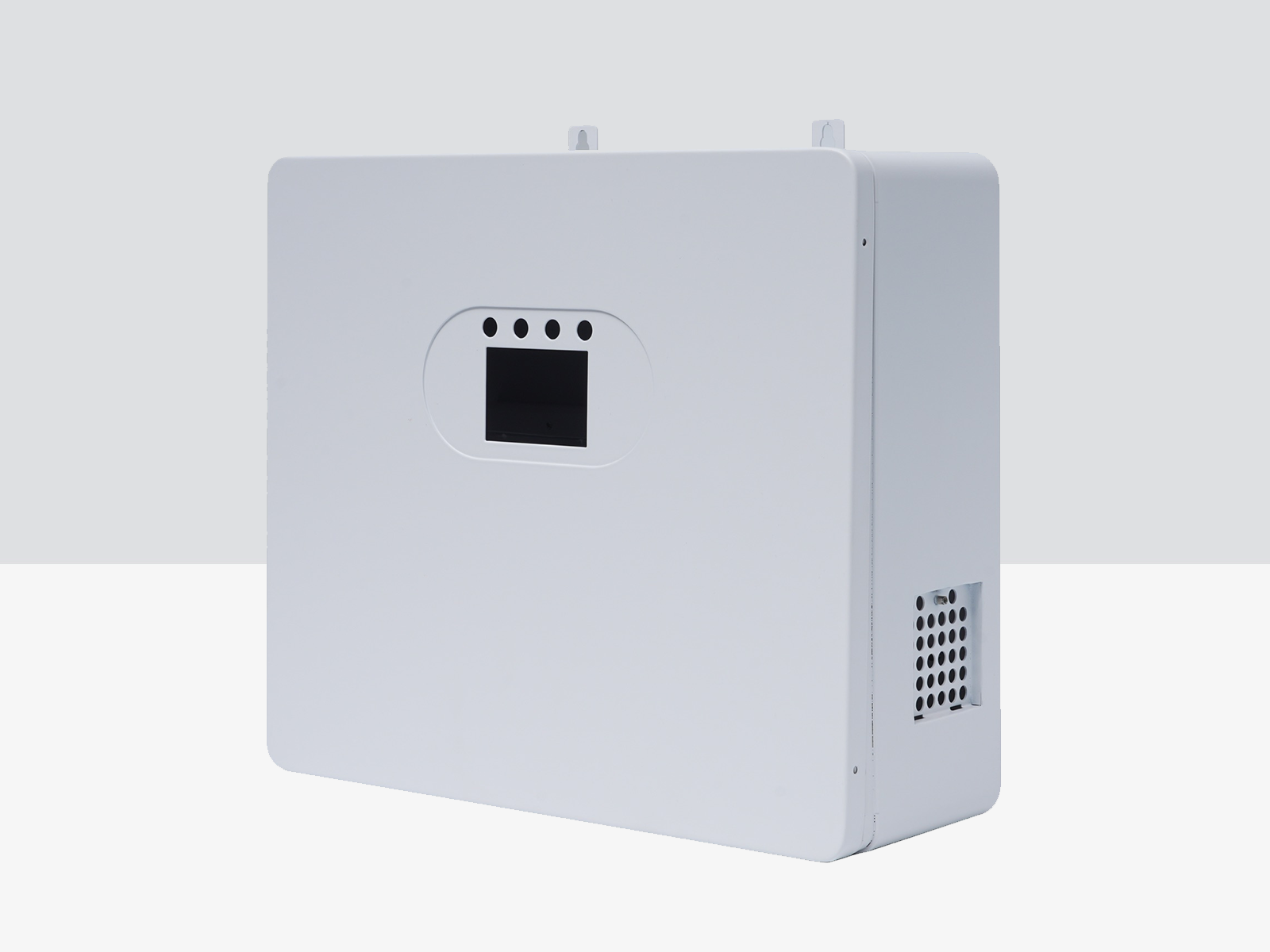
Equipment brands and machine counts provide context, but they do not prove that a supplier can repeatedly manufacture your part. Relevant samples, process planning, and inspection evidence are more useful.
DINGPRECISION’s sheet metal fabrication services cover cutting, bending, welding, and surface treatment. Review these processes against your drawings and confirm the project-specific scope.
Ask which processes are performed at the quoted facility and which use external suppliers.
Outsourcing is not automatically a problem. Specialist finishing or testing can be appropriate when responsibilities, specifications, traceability, and change control are clear.
The concern is an undisclosed change in the manufacturing route or an uncontrolled subcontractor.
Request a process map and agree which changes require prior approval. If an operation is critical to quality, ask how the manufacturer qualifies and monitors the source performing it.
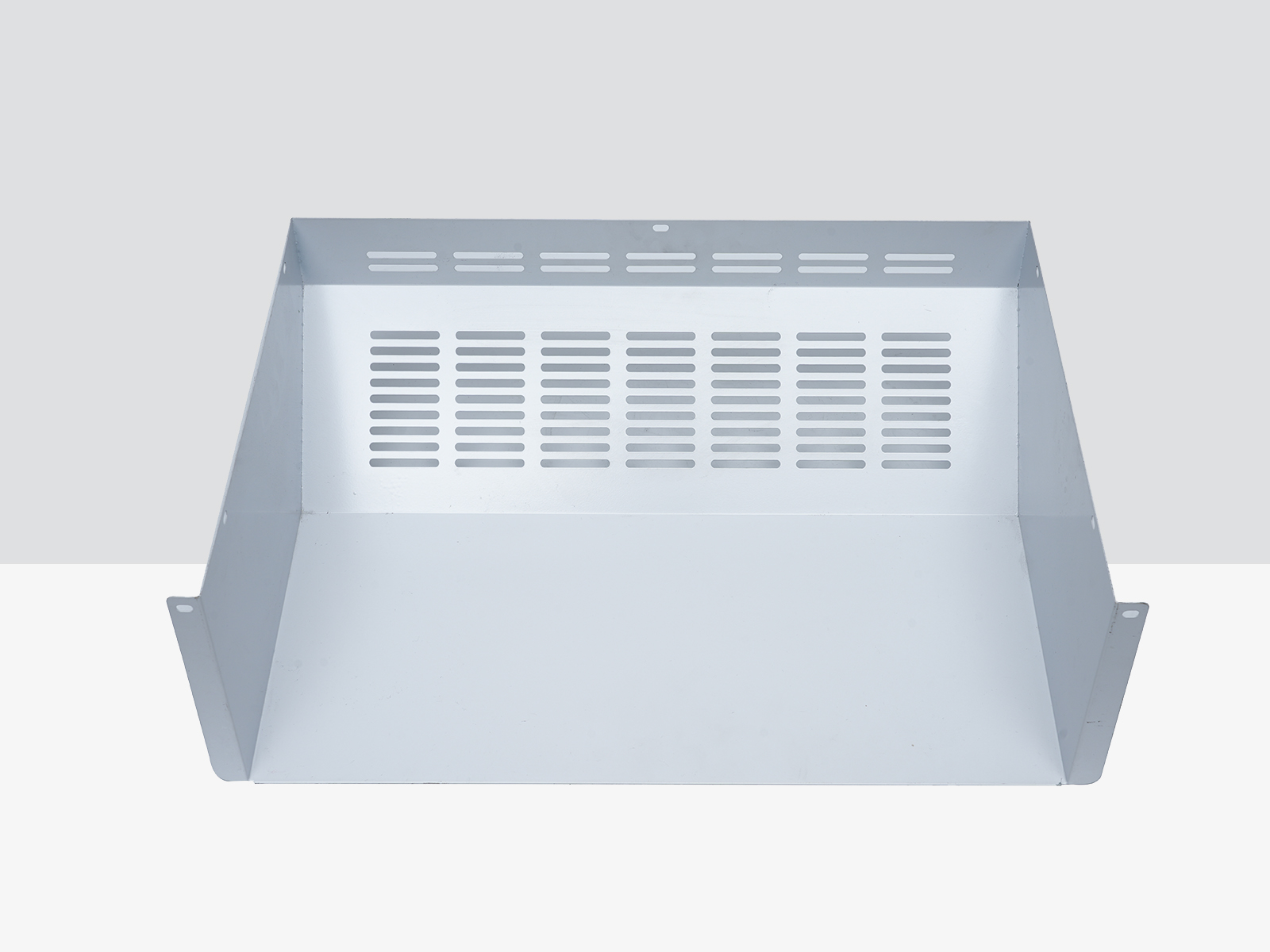
Useful design-for-manufacturing feedback should identify a specific issue and explain the proposed change.
Examples include:
A hole near a bend that may distort during forming.
A flange that cannot be reached with the proposed tooling.
A weld sequence that may pull an assembly out of alignment.
A coating requirement that conflicts with a mating fit.
A hardware feature requiring a different installation sequence.
Ask the supplier to distinguish required changes from optional cost reductions. Approve changes through controlled drawings rather than leaving them in an email exchange.
For cabinets and enclosures, also review doors, hinges, latches, mounting points, and panel alignment. A collection of dimensionally acceptable parts can still fail to assemble correctly.
If certification is relevant to the project, request the current certificate and verify the legal entity, site, scope, issuing body, and validity.
A quality-management certificate does not certify every product or prove that a particular drawing tolerance will be achieved.
Industry-specific documentation should follow the actual product and customer requirements. Do not assume that every metal component used in a medical or automotive application requires the same supplier certification.
Agree what material documents are required and how they will be linked to your order.
Depending on the project, this may include mill certificates, supplier records, batch identification, or additional testing.
Check whether the proposed test can verify the property you need. Handheld XRF can identify many alloying elements, but it cannot measure carbon to distinguish certain low-carbon stainless grades. Chemical composition also does not, by itself, verify mechanical properties or temper.
Traceability is useful only when records remain connected to the material and parts throughout the agreed manufacturing stages.
For a new or changed part, agree the first-article scope and approval point before production.
A useful first-article package may include a marked drawing, dimensional report, material records, finish checks, and assembly results. Specify any weld or functional tests that the application requires.
Where the sample uses a different process from production, ask what will change and how that change will be validated.
A cosmetic reference sample can help define appearance, but it should complement measurable requirements. Record acceptable viewing conditions and defects rather than relying only on “good finish.”
First-article approval does not replace production controls.
Agree which characteristics require in-process checks, sampling, or complete inspection. If sampling is used, define the plan, defect categories, lot identification, and acceptance rules. There is no universal AQL setting suitable for all sheet metal products.
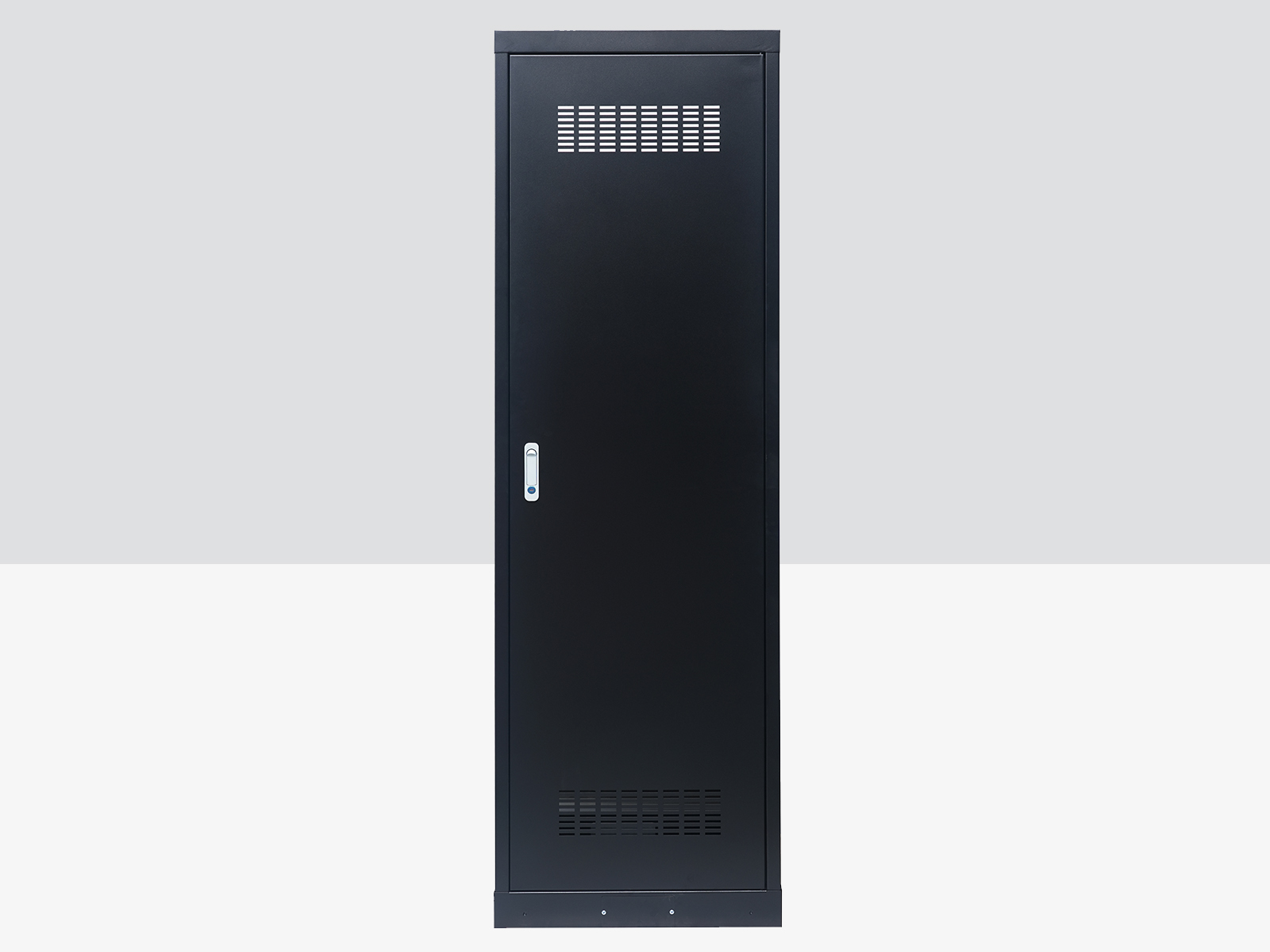
Also establish how the supplier will segregate nonconforming parts, request concessions, investigate recurring problems, and implement corrective action.
For finishing tests, specify the method and acceptance criteria. A salt-spray result alone does not establish the service life of a coating in every environment.
Compare suppliers using the same drawing revision and commercial assumptions.
Quotation item | What to clarify |
|---|---|
Piece price | Material, quantity, finish, and assembly scope |
Tooling and fixtures | Initial cost, ownership, storage, maintenance, and transfer arrangements |
Inspection and testing | Included documents and additional charges |
Packaging | Protection, pack quantity, labeling, and handling |
Delivery | Production lead time, shipment basis, and named destination or handover point |
Changes | Treatment of drawing revisions and material-price changes |
Tooling cost may be charged separately or included in piece pricing. Either approach can be workable if the calculation is transparent.
Compare the cost of receiving usable parts, including freight, inspection, applicable import charges, inventory, and potential rework. Confirm shipment-specific customs information with the appropriate logistics or customs specialist.
Sheet metal parts can be scratched, bent, or corroded during transport.
Define protection for visible surfaces, corners, projecting features, and heavy assemblies. Separators, restraints, moisture protection, and handling provisions should suit the material, finish, route, and storage conditions.
VCI materials are an option for some applications, not a universal requirement for every metal and coating.
Where regulated solid-wood packaging is used, confirm applicable treatment and marking requirements. Packaging made entirely from certain processed wood materials may be treated differently.
During quotation and sampling, assess whether the supplier identifies missing information, records decisions, and reports issues clearly.
Ask for a schedule covering material procurement, fabrication, external operations, inspection, and packing. Confirm when the lead-time clock starts and what depends on buyer approval.
Lead times vary with material availability, capacity, tooling, design maturity, and finish. Avoid treating a generic prototype or production estimate as a delivery commitment.
For sensitive designs, agree access and document-sharing controls before disclosure. Obtain appropriate legal advice for confidentiality, manufacturing, and tooling agreements rather than assuming one contract label provides complete protection.
For complex or important orders, consider a facility review proportionate to the project.
Review the actual production route, material identification, inspection records, equipment maintenance, and control of subcontracted work. An audit should test relevant evidence, not rely on showroom appearance or scrap-bin observations alone.
Approve representative samples, document open issues, and consider an initial production batch before expanding the order.
Send controlled drawings, material and thickness, finish, quantities, critical tolerances, assembly requirements, inspection needs, and delivery expectations. Include a 3D model where it helps explain the geometry.
There is no universal MOQ. It depends on setup, material purchasing, finishing batches, tooling, and the supplier’s production model. Request an MOQ for the specific part.
Ask the supplier to review the finished-part requirements and explain the proposed process and measurement method. Verify critical features through representative samples and production evidence.
No. Controlled specialist subcontracting can be suitable. Confirm the process location, quality responsibility, traceability, and approval requirements for changes.
Normalize the drawing revision, material, quantity, finish, inspection, packaging, tooling, and delivery basis. Then compare total cost alongside sample results, communication, and delivery evidence.
Preparing an enclosure, cabinet, bracket, or welded assembly for production? Send DINGPRECISION your drawings, material requirements, quantities, finish, and critical inspection needs.
Contact DINGPRECISION to discuss the manufacturing scope and request a quotation. Identify any unresolved tolerances, assembly interfaces, or packaging requirements so they can be reviewed before production.


